
Oil prices rebounded on Tuesday, recovering from a sharp decline in the previous session as traders reassessed geopolitical developments and ongoing risks to global energy supply. The move reflects persistent uncertainty surrounding the Middle East situation and its potential impact on production and transportation routes.
Lucas G., an economic expert from QuilCapital, examines the tension between market signals and supply risks that continues to shake oil price stability.
Brent Reclaims $100 Amid Rebound
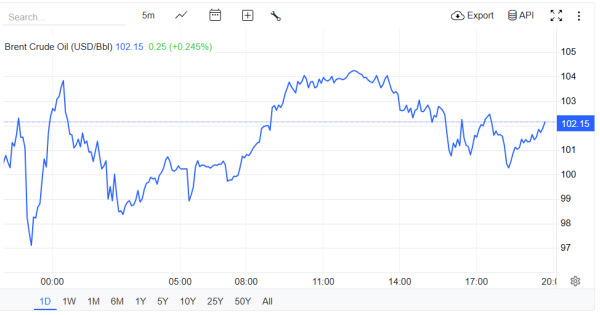
International benchmark Brent crude futures rose about 1.3% to $101.21 per barrel, climbing back above the key $100 threshold. Meanwhile, U.S. West Texas Intermediate crude advanced roughly 2.3% to $90.19 per barrel, reflecting renewed buying interest.
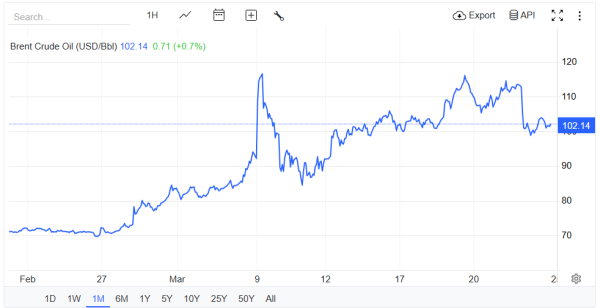
This recovery follows a sharp drop in the previous session, when Brent crude plunged nearly 11%, falling from levels above $112 to around $99 per barrel. The rapid reversal highlights the sensitivity of oil prices to geopolitical developments and market sentiment.
Skepticism Grows Over De-Escalation Signals
The earlier sell-off was driven by optimism surrounding potential diplomatic progress aimed at easing tensions in the Middle East. Reports suggesting discussions toward reducing hostilities led to a temporary easing of risk premiums, pushing oil lower.
However, the rebound in prices suggests that market participants remain unconvinced. Conflicting statements and denials from involved parties have cast doubt on the likelihood of a near-term resolution.
This uncertainty has prompted traders to reprice risk, restoring upward pressure on oil prices.
Supply Concerns Remain A Key Driver
Ongoing attacks on energy infrastructure in the region continue to fuel concerns about potential disruptions to supply chains. Damage to production facilities and transportation routes has increased fears of reduced output and logistical challenges.
These risks are particularly significant given the strategic importance of the region in global oil markets. Any prolonged disruption could tighten supply and push prices higher.
Investors are closely monitoring developments, as the situation remains fluid and highly sensitive to geopolitical changes.
Strait Of Hormuz Remains Critical Focus
Attention remains centered on the Strait of Hormuz, a vital maritime route that previously accounted for around 20% of global seaborne oil supply. Disruptions in this corridor have already impacted flows, adding to market uncertainty.
While there have been indications that some level of transit may resume, restrictions and ongoing tensions continue to create uncertainty around future supply conditions.
The status of this key shipping route is expected to remain a major influence on oil price movements in the near term.
Market Volatility Reflects Headline Sensitivity
Recent price swings underscore how reactive the oil market has become to geopolitical headlines. Rapid shifts in sentiment have led to significant fluctuations within short periods, highlighting the fragile nature of current market conditions.
Traders are balancing short-term optimism with longer-term risks, resulting in a cautious approach to positioning.
Outlook For Oil Markets
Oil markets remain highly sensitive to geopolitical developments, with recent price action reflecting a balance between optimism and ongoing uncertainty. While temporary signs of de-escalation initially pressured prices lower, continued doubts and supply risks have quickly brought buyers back into the market.
As long as tensions persist and key infrastructure remains at risk, oil prices are likely to stay elevated and volatile, with traders closely watching every development for direction.