
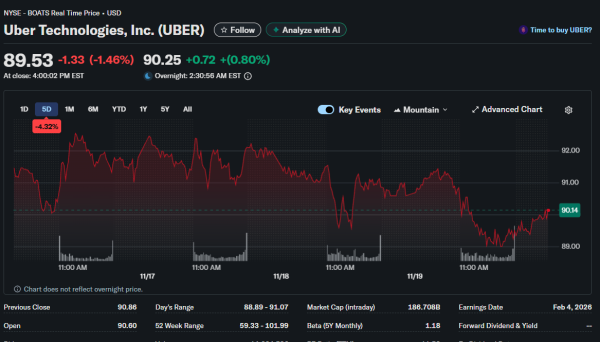
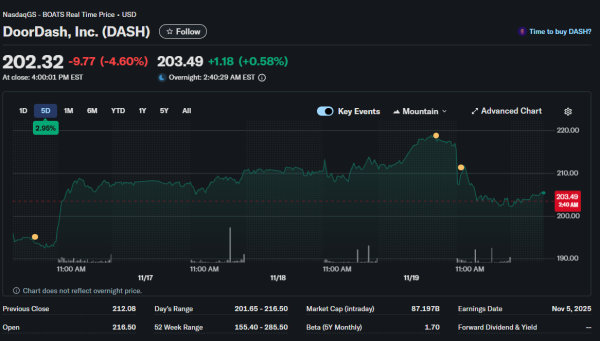
America’s employment landscape is undergoing a quiet transformation as workers increasingly turn to gig platforms to supplement vanishing income from traditional jobs. A recent Goldman Sachs analysis uncovered that approximately 20% of people who lost pay, lost jobs, or experienced reduced hours migrated to platform-based work through companies like Uber, DoorDash, and Instacart.
Finance analysts at Unirock Gestion examine what this shift reveals about labor market health and implications for economic stability.
The findings expose a labor market absorbing stress through alternative employment arrangements rather than outright unemployment statistics. Gig hours surged most dramatically in metropolitan areas where traditional payroll growth decelerated, signaling workers are taking extra shifts, compensating for lost hours or reduced pay in conventional employment.
This pattern suggests the gig economy functions as an economic shock absorber during periods of labor market weakness.
Hidden Employment Reveals Statistical Gaps
Perhaps most striking, the Goldman research determined that 15% of individuals classified as unemployed or “not in the labor force” in federal statistics are actually performing gig work. This discrepancy means substantially more Americans are working than headline employment numbers suggest, though in jobs fundamentally different from traditional employment relationships.
The statistical treatment of gig work creates distortions in understanding true labor market conditions. Official unemployment figures miss significant portions of actual economic activity occurring through platform-based arrangements. Someone driving for ride-sharing services several hours weekly might appear jobless in government data despite generating meaningful income.
This measurement challenge complicates Federal Reserve policy decisions that rely heavily on employment statistics. If unemployment rates understate actual work activity, the labor market may be stronger than official figures indicate. Conversely, if gig work represents underemployment where workers accept lower compensation and fewer hours than desired, conditions may be weaker than acknowledged.
Wage Deterioration Tells Troubling Story
The analysis revealed that gig workers earn merely 50% to 65% as much per hour compared to their previous traditional employment. This dramatic income reduction represents more than just a temporary adjustment during job transitions.
Many workers remain trapped in lower-paying gig arrangements for extended periods, unable to secure conventional employment matching their previous compensation levels.
The wage differential reflects multiple factors, including the absence of benefits, variable hours, and business expenses borne by gig workers themselves. Platform workers typically receive no health insurance, retirement contributions, or paid time off that traditional employment provides. Vehicle maintenance, fuel costs, and other business expenses further reduce effective hourly earnings.
This compensation structure means workers stitching together income from multiple gig platforms often work more total hours while earning less than a single traditional job would provide. The resulting financial stress affects household consumption patterns as families reduce discretionary spending to prioritize essential expenses.
Even modest immigration declines this year marginally boosted gig worker wages in certain metropolitan areas by reducing labor supply on platforms. However, these gains proved insufficient to offset the broader deterioration in earning power that workers experienced transitioning from traditional employment to gig arrangements.
Layoff Surge Drives Platform Growth
Data from Challenger, Gray & Christmas reported that over 153,000 job cuts were announced during October alone, representing the worst reading for that month since 2003. This acceleration in workforce reductions creates sustained demand for alternative income sources that gig platforms provide. Companies have announced more than 1.1 million layoffs during 2025 through October, marking a 44% increase from the total 2024 layoff figures.
The technology and retail sectors led workforce reductions with notable announcements from major employers across industries. These cuts eliminated not just low-wage positions but also middle-income jobs that previously provided stable household incomes. Displaced workers with professional backgrounds now compete for platform opportunities alongside traditional gig economy participants.
Payroll processor data showed private employers shed an average of 11,250 jobs weekly for the 4 weeks ending October 25. This represented deterioration from earlier reporting, indicating modest job gains during October. The revision from positive to negative employment growth signals accelerating weakness that likely continued into November.
The breadth of job cuts across industries suggests systemic economic challenges rather than isolated sector difficulties. When technology companies, retailers, logistics firms, and professional services simultaneously reduce headcount, it indicates broad-based demand weakness affecting most economic segments.
Policy and Data Implications
Lead market experts emphasize that the gig economy’s expansion fundamentally alters how policymakers should interpret employment statistics and design support programs. Traditional safety net programs, including unemployment insurance, weren’t designed for platform workers lacking conventional employer relationships.
The delayed September employment report’s release carries heightened significance given these alternative employment dynamics. White House officials already cautioned that the report may be incomplete following the prolonged government shutdown, limiting the clarity economists can extract about hiring conditions. The uncertainty occurs as some Federal Reserve officials adopted more cautious positions regarding additional rate cuts.
Market expectations for December policy moves shifted from near certainty to approximately 50% probability as labor market signals turned mixed. Strong traditional employment would argue against further easing. However, if gig economy growth masks underlying weakness, continued rate cuts might prove necessary to support demand and prevent deeper deterioration.