
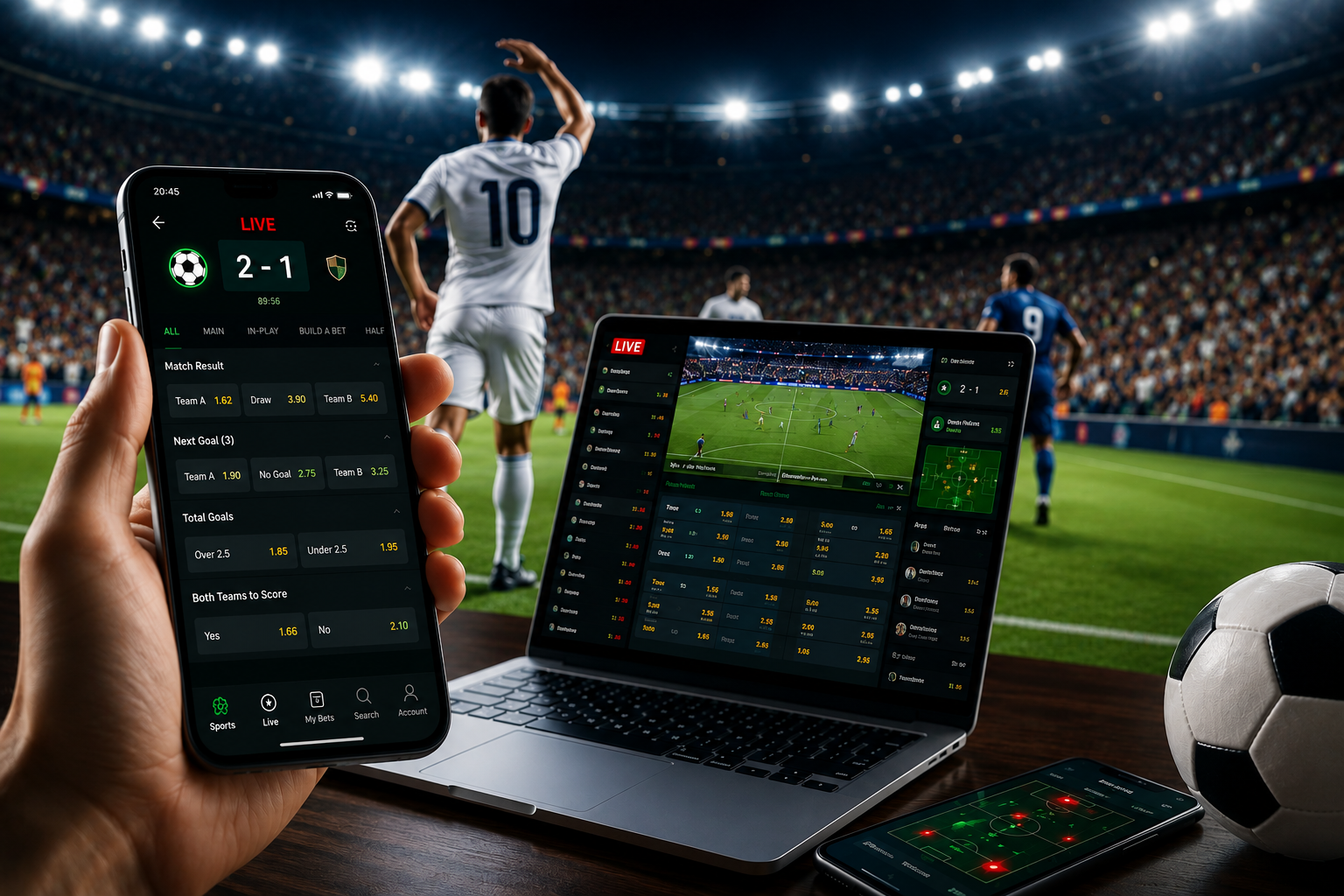
Sports betting platforms have become very good at one thing. They take a moment of interest during a match and turn it into a decision almost right away. That can be a click, a live stream, a deposit, a bet slip, or a pick before the next play starts. The speed matters because live sport creates a rare kind of attention. Fans care now, not later. And platforms built around that reality tend to outperform slower digital products. Fans want connected real-time experiences, and they keep spending time and money across multiple platforms when they get them.
That is why a search like soccer bet fits so naturally into modern sports behavior. A user is not casually browsing. Sports betting platforms, such as Betway, are built around that high-intent moment. The path from attention to action is short because the product is designed to remove delay, surface context fast, and keep the next step obvious.
Live sports create a narrow betting window
The clock changes user behavior
Most digital products fight for attention. Sports betting platforms work differently. They inherit attention from the match itself. A goal, a red card, or a late substitution can change how fans feel in seconds. So the product only needs to make action easy while that feeling is still strong.
This is one reason live and in-play betting formats keep growing. Live betting was the leading betting type in 2024 and is projected to reach $187.39 billion by 2030.
Attention does not stop at the broadcast
Fans now build a second screen habit
The old model was simple. Watch the match and wait for halftime. That is no longer how many fans behave. IBM’s 2025 Sports Survey found that 90% of sports fans consume content beyond the event itself, and more than a quarter use multiple devices while watching. In the same report, 91% of people who attend live sports in person globally said they use sports mobile apps.
Once fans are already checking lineups, clips, live stats, commentary, and odds on a second screen, the jump to betting action gets much smaller. A platform does not need a long pitch. It needs timing, clarity, and trust. That is where sports betting products often beat finance apps, media apps, and even commerce apps. They meet the user inside an existing match-day habit instead of trying to create one from scratch.
Good sports products reduce friction, not thought
Fast does not mean random
It is easy to assume these products work because users act on impulse. That is only part of the story. Good sports betting sites package context in a way that makes fast decisions feel informed. Odds updates, team stats, recent form, market movement, and live event markers all help reduce uncertainty without slowing the user down.
That model has lessons far beyond sport. Fans spend more and engage across more platforms than non-fans.
Sports betting platforms understand this well. They know the product has to feel immediate, but also coherent. If the interface looks messy, if the stream lags, if odds are unclear, or if the next step is hard to follow, the moment is gone.
Real-time content keeps the loop moving
The action starts before the bet
A lot of conversion happens before any formal transaction. It starts with alerts, clips, previews, odds movement, team news, and short bursts of information that keep the fan mentally active. Highlight videos are the most popular form of extra sports content, and sports apps are valued for real-time updates and exclusive content.
That matters because betting action usually follows a chain. A fan sees a notification. Then checks a lineup. Then opens a live page. Then compares markets. Then decides. The platform that owns more of that chain has a better chance of turning attention into action without forcing the issue.
This is also why many finance products keep borrowing ideas from sports betting environments. Not the subject matter, but the mechanics. Real-time signals. Short feedback loops. Clear next steps. Low-friction mobile paths. These platforms did not invent those ideas, but they have become some of the strongest examples of how they work in practice.
The bigger lesson for digital platforms
Urgency only works when trust is already there
Speed alone is not enough. Users only act quickly when they believe the product is reliable. In sports betting, that trust comes from fast load times, stable payments, accurate odds, clear bet slips, responsible limits, and a clean path from interest to action. Without that base layer, urgency turns into drop-off.
So the real lesson is simple. Betting platforms win because they respect the moment. They understand that live attention is valuable, short, and emotional. Then they support it with structure. That combination is hard to copy. But it explains why these platforms keep shaping user expectations across other digital sectors. And that is why they can turn attention into action in seconds.
This notice states that the information provided is not an offer or solicitation to buy or sell securities, and its accuracy or completeness is not guaranteed. The authors may own the discussed cryptocurrency. The content, which is subject to change, is for informational purposes only and should not be considered investment, tax, legal, or accounting advice. Readers are advised to consult professional advisors before any transaction. Visionary Financial does not endorse the content and was compensated for this guest post. Please review their privacy policy, disclaimer, and terms and conditions for more details.