
The S&P 500 surpassed 7,000 points for the first time since January, reaching a new all-time high. The broad market index climbed 0.80% to close at 7,022.95 on Wednesday, marking a remarkable recovery. Markets erased nearly 10% correction suffered during late March as ceasefire optimism drove aggressive buying.
ArcheInvest Mr. Weiss examines how the Nasdaq Composite jumped 1.59% to 24,016.02, setting a fresh record. Technology stocks led gains as software companies recovered from artificial intelligence disruption fears. The tech-heavy index posted its sixth consecutive positive session, demonstrating powerful momentum.
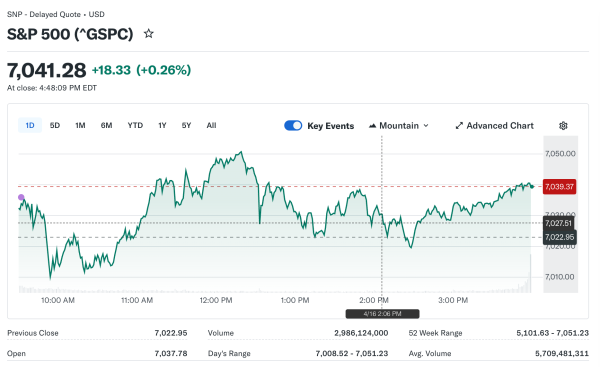
The Correction Reversal
Wall Street officially called the late March decline a correction when indices fell 9% below peaks. The rapid recovery compressed months of typical bounce-back patterns into two weeks. Investors who bought during panic lows earned exceptional returns as sentiment shifted dramatically.
Historical analysis showed V-shaped recoveries typically followed geopolitical shocks, resolving faster than expected. The current rally mirrored patterns from previous conflicts when markets overreacted to headlines. Professional money managers characterized the move as a classic fear-to-greed transition.
The Peace Premium
Ceasefire negotiations between conflicting parties provided a catalyst for a sustained rally, gaining strength. The US President indicated preparations to wind down the conflict, according to reports. Oil prices retreated modestly from crisis peaks, though they remained elevated versus pre-war levels.
Strait of Hormuz traffic restrictions eased slightly, allowing limited tanker passage through the waterway. Energy markets remained skeptical about the durability of any temporary ceasefire announced. The geopolitical risk premium embedded in commodity prices began dissipating gradually.
The Banking Strength
Bank of America and Morgan Stanley both reported strong quarterly earnings exceeding analyst expectations. Financial sector stocks advanced on results demonstrating resilience despite economic headwinds. Investment banking revenues surprised positively as deal activity resumed following the conflict pause.
Net interest margins remained under pressure but stabilized compared to the previous quarter’s compression. Loan loss provisions came in lower than feared, suggesting credit quality held up. Regional bank stocks participated in the rally as systemic concerns from earlier years faded.
The Software Resurrection
ServiceNow surged 7.18% as investors reassessed artificial intelligence competitive dynamics affecting enterprise software. Salesforce climbed 3.67%, recovering a portion of the year-to-date losses exceeding 30% previously. Oracle advanced 4.18% on renewed confidence about cloud transition momentum continuing.
Microsoft jumped 4.64%, extending recent gains as AI integration efforts showed early traction. The software sector suffered a brutal selloff earlier when fears about AI disruption reached a peak. Valuation resets created buying opportunities for investors willing to look past near-term uncertainty.
The Retail Trading Revolution
Robinhood Markets soared more than 10% following the SEC approval of new day-trading rules. The regulatory changes benefited discount brokers catering to an active retail investor base. Trading volume metrics showed sustained engagement from individual investors despite market volatility.
The SEC proposal modernized rules governing pattern day trading requirements for retail accounts. Brokers anticipated increased activity from rule changes lowering barriers to frequent trading. Critics questioned whether changes adequately protected inexperienced traders from excessive risk-taking.
The AI Pivot Story
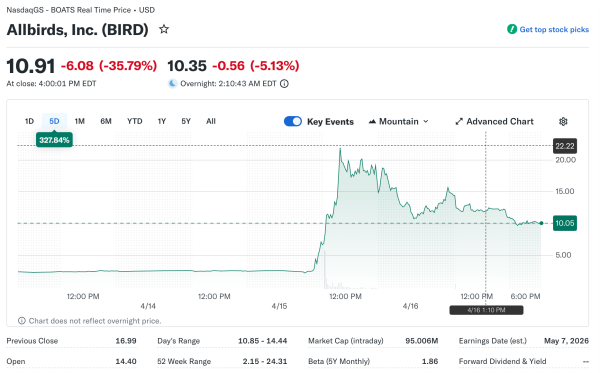
Allbirds rocketed 582% after announcing a pivot from a footwear business to an AI-focused model. The dramatic transformation represented a desperate attempt to capitalize on artificial intelligence hype. Investors embraced repositioning despite questions about the company’s technical capabilities in the new sector.
The footwear brand struggled to compete against established athletic apparel giants dominating market share. Management decided to abandon the core business because it offered better survival prospects than incremental improvements. Wall Street rewarded a bold strategic shift even though execution risks remained substantial.
The Semiconductor Paradox
ASML declined 2.18% despite reporting solid quarterly earnings driven by AI demand. The Dutch equipment maker builds photolithography machines essential for advanced chip production. Revenue and profit both exceeded analyst estimates, but the stock sold off nonetheless.
Investors focused on forward guidance, suggesting potential moderation in equipment orders going forward. Capital expenditure plans from major chipmakers showed signs of peaking after extraordinary buildout. The stock’s year-to-date performance remained strong despite Wednesday’s decline.
The Volatility Collapse
VIX fear gauge closed lower for the tenth time in twelve sessions, signaling reduced anxiety. Implied volatility compressed as daily price swings moderated from March extremes. Options traders reduced hedging positions as tail risk scenarios became less probable.
The volatility collapse benefited income-generating strategies, selling premiums to buyers seeking protection. Market makers adjusted positioning as gamma exposure declined with falling implied volatility. Technical indicators suggested an extended calm period might persist absent new catalysts.
The Road Ahead
Earnings season continued with major technology companies reporting results in the coming weeks. Guidance commentary would prove critical for determining whether the rally extended or stalled. Investors needed confirmation that fundamentals supported elevated valuations.
Weekend ceasefire negotiations could trigger Monday volatility depending on diplomatic outcomes. The fragile peace remained vulnerable to disruptions from any party. Markets positioned cautiously ahead of potentially market-moving geopolitical developments.