
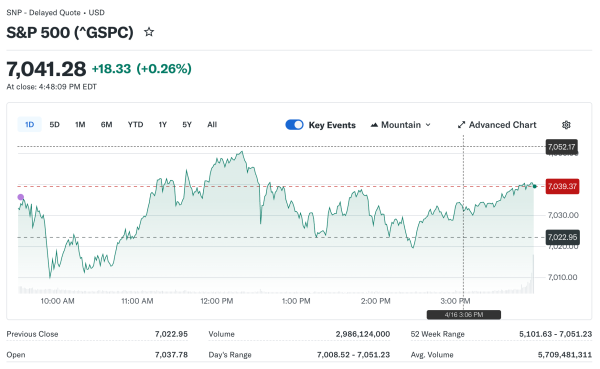
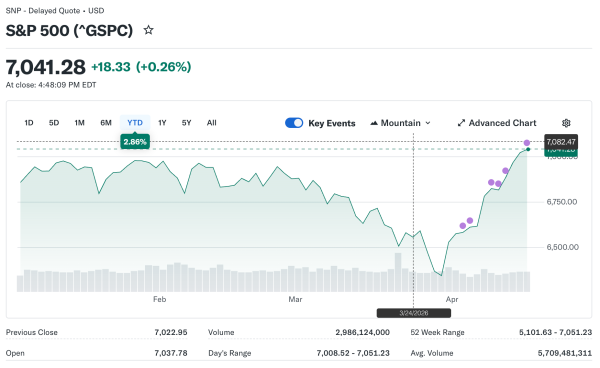
The S&P 500 completed a remarkable turnaround, erasing an entire 9% correction in just fourteen sessions. The index climbed from the late March bottom to a new all-time high on Wednesday. The V-shaped recovery demonstrated extraordinary resilience as ceasefire optimism replaced panic selling.
Mr. Wagner at ArcheInvest analyzes how investors who bought during panic earned exceptional returns. The Nasdaq Composite surged more than 15% from trough to peak. Both indices officially exited corrections, entering new bull market phases.
The Speed Record
The recovery pace ranked among the fastest in modern market history. Previous corrections typically required months to reclaim losses. The compressed timeline reflected a swift shift from fear to greed.
CNN’s Fear and Greed Index tumbled into extreme fear during March. The sentiment gauge rebounded to neutral territory by Wednesday. The psychological whipsaw created challenges for investors in maintaining discipline.
The Buying Waves
Initial bounce attracted value hunters seeking bargain entry points. Momentum traders joined as technical indicators confirmed an uptrend emerging. Systematic strategies added fuel as algorithms detected trend changes.
Retail investors were initially hesitant but eventually chased the rally higher. The FOMO psychology kicked in as gains accumulated daily. Late buyers risked purchasing near temporary tops.
The Sector Leadership
Technology stocks led the recovery as artificial intelligence enthusiasm returned. Software companies rebounded sharply from oversold conditions. The sector rotation favored growth over defensive positioning.
Financials participated strongly in banking earnings strength. Industrials and materials joined as economic concerns diminished. Energy lagged as oil prices retreated from crisis peaks.
The Volatility Compression
VIX plunged from above 30 to below 15 in a span of days. The volatility collapse occurred faster than historical precedents. Options traders covering hedges amplified the downward move.
Put options purchased as protection during a crisis lost value rapidly. The premium decay punished defensive positioning as the rally extended. Timing hedges proved nearly impossible given the speed of reversal.
The Technical Breakouts
S&P 500 reclaimed the 200-day moving average, triggering algorithmic buying. The widely watched technical level represented a dividing line. Breaking above after weeks below signaled a trend change.
Momentum indicators reached overbought territory, suggesting a potential pause. However, strong trends often remained overbought longer than expected. The technical picture supported continuation bias.
The Fundamental Support
Corporate earnings exceeded lowered expectations, providing confidence. First quarter results demonstrated resilience despite economic headwinds. Guidance commentary cautious but not catastrophic.
Revenue growth rates decelerated but remained positive across sectors. Profit margins held up better than feared. The fundamental backdrop supported equity valuations.
The Liquidity Conditions
The Federal Reserve is maintaining an accommodative stance despite inflation concerns. The central bank prioritized financial stability during a geopolitical crisis. Liquidity remained ample, supporting risk assets.
Credit spreads compressed as default fears subsided. Corporate bond markets functioned normally after a brief stress. The financing conditions improved across the credit spectrum.
The International Participation
Asian markets rallied alongside US indices on synchronized optimism. Japanese Nikkei reached new records in technology strength. The global coordination reflected universal relief.
European bourses advanced despite economic challenges persisting. The geopolitical proximity to conflict created greater sensitivity. Regional equity markets outperformed local fundamentals.
The Earnings Season
The Q1 reporting period kicked off with strong banking results. The financial sector beat expectations across revenue and profit metrics. The positive tone set a constructive backdrop.
Technology earnings scheduled for the coming weeks held key importance. Investors focus on AI monetization and demand sustainability. Guidance would determine whether the rally extended further.
The Retail Participation
Individual investors who sold during the panic missed substantial gains. The buy-and-hold strategy outperformed market timing attempts. The lesson reinforced the importance of a long-term perspective.
Trading platforms saw activity surge as the rally progressed. Account openings accelerated among younger demographics. The retail engagement remained elevated.
The Options Activity
Call option volumes exploded as traders positioned for upside. The leverage embedded in derivatives amplified gains. Speculative activity reached levels rivaling meme stock mania.
Put-call ratios declined, reflecting bullish sentiment dominance. The positioning metrics suggested optimism, potentially excessive. Contrarian indicators flashed warning signals.
The Credit Markets
Investment-grade corporate bonds rallied as spreads tightened. The improved risk appetite benefited fixed-income markets. High-yield debt outperformed as default concerns eased.
Convertible bonds enjoyed strong performance, combining equity upside with downside protection. The hybrid securities attracted flows during transitional periods. The asset class demonstrated appeal.
The Currency Movements
The dollar weakened as safe-haven demand reversed. The greenback sold off against major currencies. Risk-on sentiment favored higher-yielding alternatives.
Emerging market currencies strengthened on the return of capital inflows. The reversal from crisis flight benefited developing economies. Currency markets stabilized after violent swings.
The Investment Outlook
V-shaped recoveries historically led to extended advances. The pattern suggested the rally might continue near-term. However, sustainability depended on fundamental confirmation.
Prudent investors maintained diversification despite the temptation to chase. Position sizing appropriate for elevated uncertainty. Discipline separates successful long-term investors.