
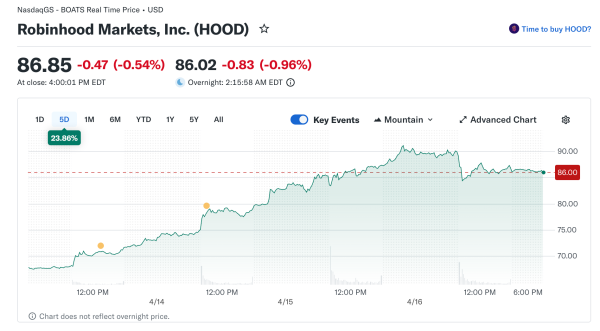
Robinhood Markets surged more than 10% Wednesday following regulatory approval. The Securities and Exchange Commission approved a new proposal modernizing day-trading rules. Pattern day trader requirements changed, benefiting discount brokers catering to active investors.
Mrs. Weber at ArcheInvest explores how retail trading activity is expected to increase following rule changes. The regulatory modifications lowered barriers to frequent trading for smaller accounts. Critics questioned whether changes adequately protected inexperienced traders.
The Regulatory Change
Previous rules required a $25,000 minimum account balance for pattern day traders. The threshold excluded many retail investors from active trading strategies. A new framework introduced more flexible criteria based on experience and sophistication.
Account holders demonstrating trading knowledge through assessments are qualified regardless of balance. The competency-based approach replaced arbitrary wealth requirements. Brokers administered tests, ensuring a minimum understanding of risks.
The Robinhood Impact
The platform built a business model around democratizing access to financial markets. Regulatory barriers limited the addressable market for trading services. Rule changes expanded the potential customer base significantly.
Trading volume metrics are likely to increase as restrictions ease for users. Higher activity translated directly to commission and payment-for-order-flow revenues. The economic impact on the business model proved substantial.
The Competitive Landscape
Other discount brokers, including Charles Schwab and TD Ameritrade, also benefited. However, Robinhood’s younger customer base is positioned optimally for growth. The demographic targeted by the company is most impacted by previous restrictions.
Traditional brokers focused on wealthier clients, less affected by changes. The competitive dynamics shifted in favor of platforms serving the mass market. Market share battles intensified as the addressable market expanded.
The Revenue Model
Payment for order flow from market makers represented primary revenue source. Higher trading volumes amplified these payments proportionally. The business model thrived on customer activity levels.
Options trading is particularly lucrative given the complexity and higher commissions. Cryptocurrency trading offered another high-margin revenue stream. The diversified income sources reduced dependence on equities alone.
The Risk Concerns
Consumer advocates warned about encouraging excessive trading among inexperienced investors. The gamification elements in Robinhood’s app faced ongoing scrutiny. Behavioral economics research suggested that design choices influenced trading behavior.
Overtrading destroyed wealth for many retail investors historically. The ease of frequent trading correlated with worse outcomes, typically. Educational requirements in the new rules might prove insufficient protection.
The User Growth
Account openings accelerated following the announcement as prospective users anticipated changes. The publicity generated awareness among potential customers. Marketing departments capitalized on regulatory tailwinds.
Younger demographics showed particular interest in active trading strategies. Social media communities discussing trading tactics proliferated. The cultural phenomenon around retail investing continued evolving.
The Technology Platform
Mobile-first design appealed to users preferring smartphone interfaces. The streamlined experience removed friction from the trading process. Instant execution and real-time updates created an engaging experience.
Fractional shares allowed investors to buy expensive stocks with small amounts. The innovation expanded accessibility beyond rule changes. Technology differentiation remained a competitive advantage.
The Cryptocurrency Integration
Crypto trading offered on the platform attracted users seeking digital asset exposure. The 24/7 market provided trading opportunities outside stock hours. Commission-free model extended to cryptocurrency transactions.
Regulatory clarity around crypto trading remained limited, creating uncertainty. The company navigated evolving rules carefully to maintain compliance. Future regulations could impact the crypto business materially.
The Margin Lending
Instant deposit features and margin accounts provided leverage to users. The credit extension created additional revenue from interest charges. Risk management of margin portfolios required sophisticated systems.
Margin calls during volatile markets occasionally created losses for the company. The credit losses factored into profitability but remained manageable. Conservative lending standards limited exposure to defaults.
The Options Activity
Options trading represented a disproportionate share of revenue relative to volume. The complexity and leverage inherent in options attracted active traders. Educational content helped users understand strategies and risks.
Single-stock options are concentrated in popular names like technology giants. The activity patterns mirrored broader retail trading trends. Meme stock phenomena drove periodic volume spikes.
The Regulatory Scrutiny
SEC maintained oversight of broker practices, ensuring customer protection. The agency could modify or reverse rules if problems emerged. Robinhood needed to demonstrate responsible implementation.
Past regulatory issues, including trading halts during meme stock mania. The company worked to rebuild credibility with regulators. Compliance investments increased to prevent future problems.
The International Expansion
Potential to replicate the model in overseas markets represented a growth opportunity. Regulatory frameworks varied significantly across jurisdictions. The company evaluated where expansion made strategic sense.
Competition from established local brokers created challenges in new markets. Cultural differences in investing behavior required adaptations. The international opportunity remained largely untapped.
The Investment Outlook
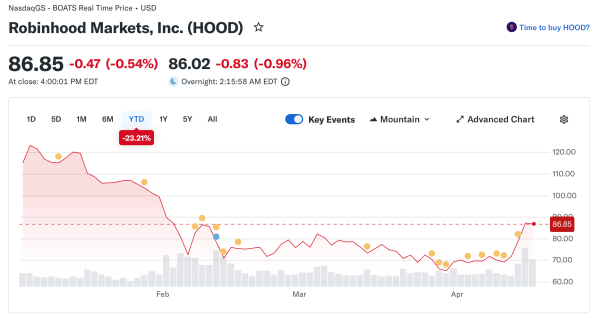
Stock valuation implied significant growth expectations embedded in the price. Execution on regulatory opportunity critical for justifying multiples. Any disappointment in user acquisition would pressure shares.
The fintech sector faced headwinds from rising interest rates, affecting growth. Robinhood’s specific catalyst from rule changes differentiated it. Investors weighed company-specific factors against sector trends.