
In recent strategy meetings, brokers from Nexdi have been actively debating the growing narrative surrounding what some media outlets are calling the Great Bitcoin Crash of 2025. With headlines turning sensational and sentiment across the crypto market slipping into unease, investors are understandably questioning whether Bitcoin is on the edge of a genuine collapse or simply moving through another one of its well-known turbulent phases.
The cryptocurrency has shown weakness compared to equities and commodities, prompting speculation that something deeper is wrong. Yet when the data is placed in historical context, the decline looks far less severe than its dramatic headlines suggest.
A Decline, Yes, But Not a Crash
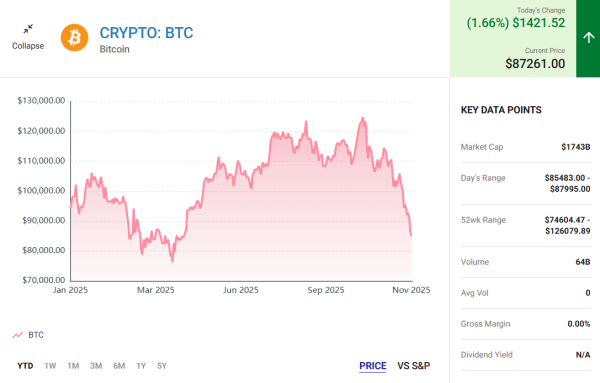
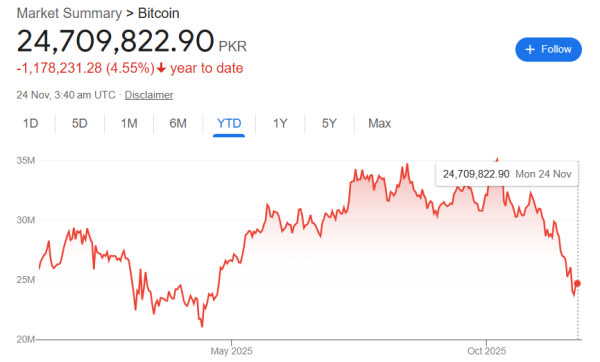
Bitcoin is down roughly 6 % year to date, and its 24 % drop over the past three months has stoked anxiety among market participants. Many retail holders are feeling the squeeze, particularly after watching safer assets outperform while the crypto sector experiences renewed volatility. That emotional reaction explains why the term crash has gained traction so quickly.
But the numbers paint a different picture. When examining long-term charts, the recent decline barely registers as a major downturn. Historical Bitcoin bear markets have often delivered peak-to-trough declines near 80 %, far beyond anything seen so far in 2025.
In 2011, 2015, 2018, and again in 2022, the asset endured deep multi-year sell-offs that tested even the most hardened believers. A 24 % drawdown, while uncomfortable, simply does not fit the scale of a genuine Bitcoin collapse.
Short-term turbulence is a hallmark of this asset class. The cryptocurrency has always displayed swift plunges inside otherwise healthy upward trends. Corrections in the 20 to 30 % range are entirely normal within Bitcoin cycles, especially after periods of rapid appreciation.
Why This Decline Feels Worse Than It Is
Even though history suggests this moment is not catastrophic, the fear circulating in crypto markets feels real. Several factors are amplifying the emotional response.
The Oct. 10 crypto flash crash caused shockwaves, even though Bitcoin itself played little role. The plunge stemmed from excessive leverage in altcoin derivatives, particularly perpetual futures contracts, where leveraged positions were liquidated in mass. Bitcoin suffered collateral damage as traders were forced to rebalance and de-risk.
Beyond the crypto-specific events, the macro environment has turned far more unpredictable. The current administration’s shifting trade policies have generated uncertainty, prompting businesses and investors to brace for possible economic missteps.
High inflation continues to restrict disposable income, making risk assets like Bitcoin less attractive in the short run. Investors are also navigating the fallout from a recent government shutdown and delays in key economic data releases, both of which have distorted market behavior.
This combination of macro pressure, sudden liquidity shocks and investor fatigue has created the illusion of a full-scale breakdown. But illusions are not reality, and the fundamentals tell a more grounded story.
The Short-Term Bear Case Has Merit
While a crash may be overstated, the short-term bear case remains valid. If economic conditions deteriorate further or if Bitcoin exchange-traded fund outflows intensify, the cryptocurrency could see additional declines. Panic selling has always been a risk in crypto markets, and liquidity can evaporate quickly when sentiment shifts.
Yet it is critical to distinguish between a challenging short-term period and a structural collapse. Nothing fundamental about Bitcoin’s core investment thesis has changed. Its supply remains capped, its halving cycle remains intact, and demand infrastructure is stronger than ever. The current downturn has not altered these foundational elements.
The Long-Term Thesis Remains Robust
Despite short-term challenges, Bitcoin still benefits from strong long-term drivers. Institutional adoption continues to grow, even if the pace has slowed. ETFs have expanded accessibility for everyday investors, and more companies are adopting digital asset treasury strategies, treating Bitcoin as a long-term store of value.
Furthermore, the halving event ensures the new supply will continue shrinking over time. Historically, each halving cycle has eventually contributed to sustained upward price movement, even when surrounded by prolonged volatility.
If the global liquidity environment tightens sharply, Bitcoin could fall 60 to 70 % from its previous peak, a possibility that long-term investors must acknowledge. However, such declines have been part of Bitcoin’s rhythm for more than a decade, and each has been followed by powerful recoveries that reward patient buyers.
Not a Crash, But a Correction
Today’s market conditions resemble a correction amplified by fear rather than a true collapse. The headlines exaggerate the scale of the downturn, while the underlying fundamentals remain intact. Investors willing to weather volatility may find strategic buying opportunities as sentiment bottoms out.
Bitcoin’s story has always been one of resilience through dramatic cycles. Until its core attributes change, its long-term trajectory remains aligned with past patterns: volatile, unpredictable, and potentially rewarding for those who stay disciplined.