
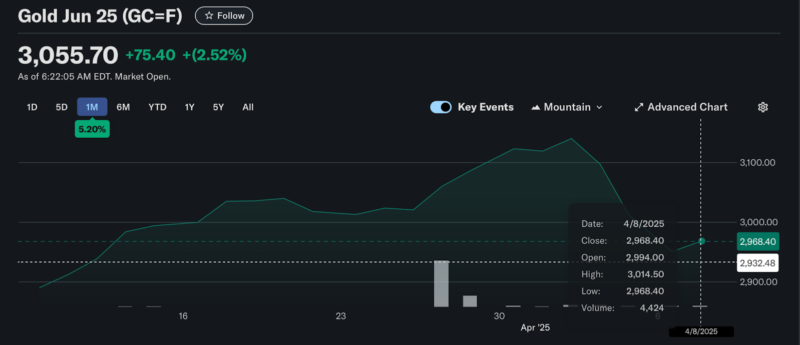

Gold is back in the spotlight, surging to record highs amid a global climate riddled with economic uncertainty and geopolitical strain. But unlike earlier spikes, today’s rally appears less speculative and more structural. With spot gold crossing $3,100 per ounce and climbing over 16% this year, it’s not just inflation or market panic at play–it’s a broader, systemic transformation of global risk perception.
Victor Belov, a seasoned financial strategist at Vanguard LGC, delves into the underlying dynamics fueling gold’s sustained momentum and examines whether this signals a deeper, long-term shift in investor behavior.
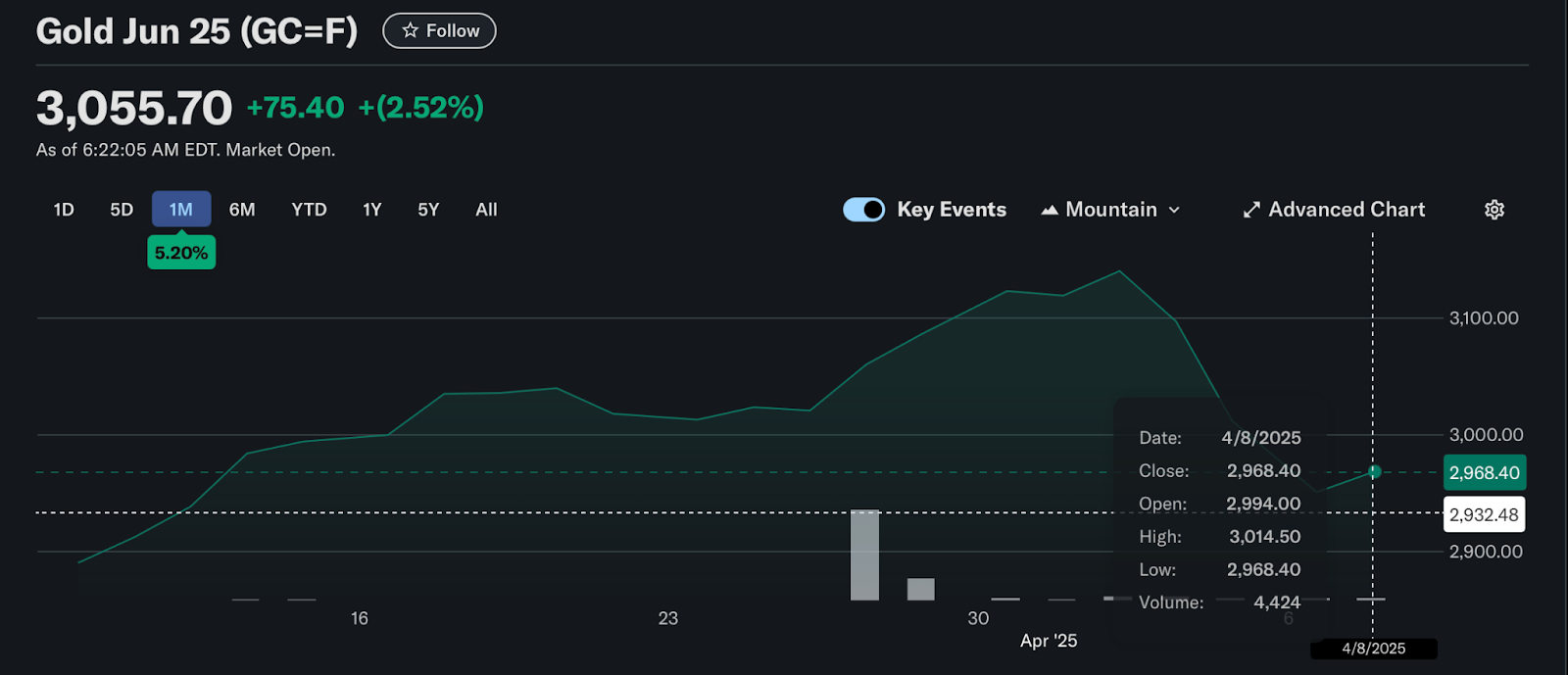 image from finance.yahooo.com
A Rally Fueled by Structural Disruption
Unlike the rally of the 1980s, driven largely by short-lived crises like the Iranian Revolution and oil shocks, today’s surge reflects persistent global disruptions. Geopolitical conflict, pandemic aftershocks, and deep economic rifts are converging into a sustained push toward safe-haven assets. Investors, wary of prolonged instability, are turning to gold not as a hedge for a single event–but as a defense against broader volatility.
Trade policy has intensified this shift. The U.S. recently enacted its steepest trade barriers in over a century, with tariffs targeting over 60 countries, including a dramatic 104% duty on Chinese goods. This protectionist stance has destabilized long-standing trade relationships and amplified concerns of a prolonged global trade war.
Gold and the Dollar: A Shifting Safe Haven Hierarchy
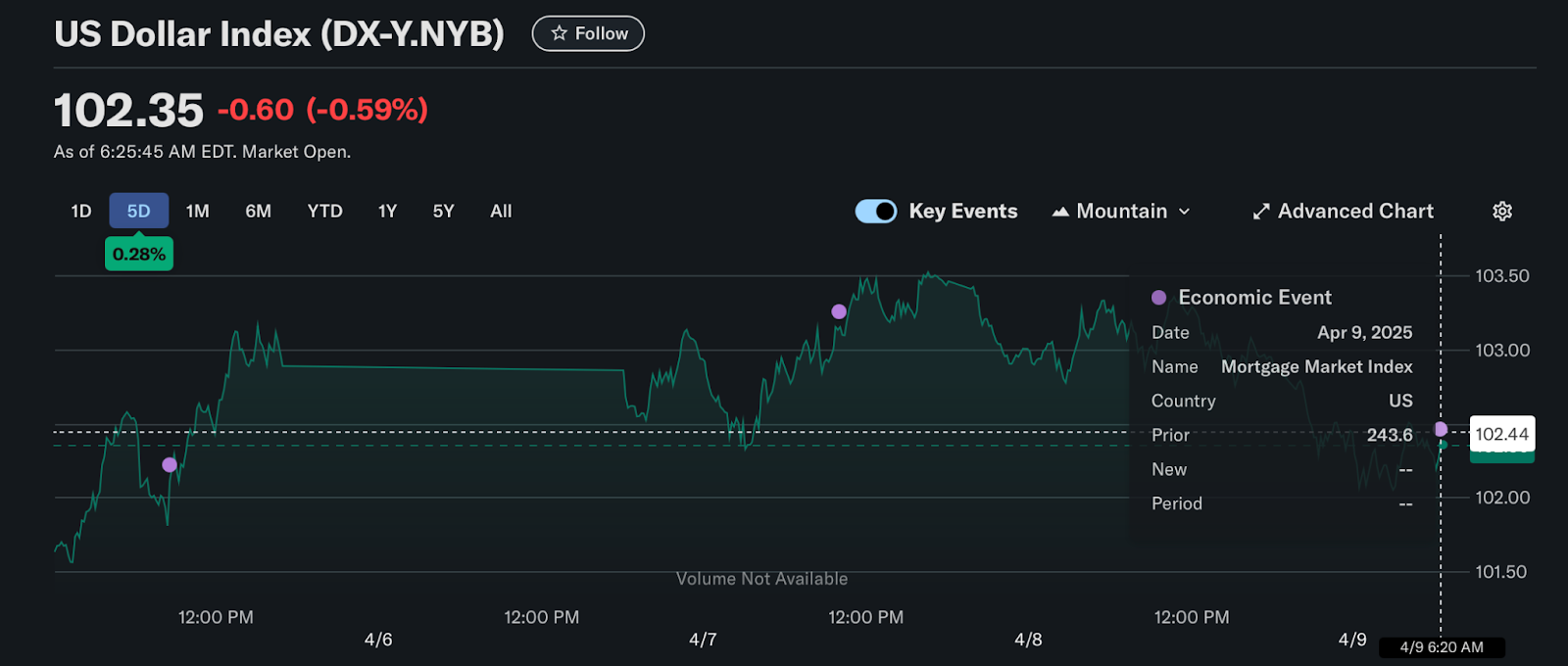 image from finance.yahooo.com
Historically, the U.S. dollar has been the go-to haven during times of global distress. However, the escalating trade conflict and unpredictable shifts in American foreign policy have introduced doubts about the dollar’s long-term dominance. Recent dips in the Bloomberg Dollar Spot Index underscore these concerns, even as inflation remains stubborn and central banks tread cautiously.
Analysts have noted an increased correlation between gold prices and weakening dollar sentiment, as investors diversify away from dollar-denominated assets. In particular, non-Western central banks–spurred by Western sanctions that froze Russia’s foreign currency reserves in 2022–are now actively shifting reserves into gold, seeking an asset outside the influence of Western politics.
Inflation, Interest Rates, and the Role of Central Banks
Another crucial pillar of gold’s rise is monetary policy. Speculation that the U.S. Federal Reserve may accelerate rate cuts to counter recession risks has added fresh momentum to the metal’s rally. Since gold pays no interest, lower interest rates reduce the opportunity cost of holding bullion, enhancing its appeal to investors looking for safety and value retention.
Simultaneously, growing concerns over mounting budget deficits and prolonged stimulus policies are pushing Western investors to revisit gold’s traditional role as a hedge against currency debasement and fiscal instability.
Central bank buying has played a vital role in sustaining gold’s ascent. Data shows continued accumulation of bullion by sovereign monetary authorities, signaling a deepening distrust in fiat currencies and global debt markets. When the very institutions responsible for monetary stability start increasing their gold reserves, it signals a systemic shift in the financial paradigm.
The Absence of Global Coordination
One striking difference between this gold rally and those of the past is the lack of coordinated international policy response. Crises in the past–be it the 2008 financial meltdown or the European debt crisis–eventually prompted synchronized action by central banks and governments. Today, fractured political relationships and protectionist policies are making such coordinated responses less likely.
According to several analysts, the current disintegration of multilateral cooperation leaves investors with fewer guardrails. Without a unified effort to calm markets, gold may continue to serve as a key stabilizer in portfolios worldwide, especially as global trust in institutional responses wanes.
A Rally, But Not Yet a Bubble
While gold has notched a nearly 30% gain over the past year, market experts caution against assuming a runaway bubble. Some argue that in inflation-adjusted terms, the metal still hasn’t surpassed its 1980 peak, which would equate to approximately $3,486 per ounce in today’s dollars. This suggests that the current rally may still have room to run before breaching historical highs in real terms.
Forecasts reflect this cautiously bullish outlook. Bank of America recently revised its gold projections, now expecting the metal to hit $3,063 in 2025 and $3,350 in 2026, with $3,500 no longer viewed as outlandish. Analysts suggest that unless there’s a dramatic improvement in international relations, global stability, and trade openness, gold’s long-term uptrend is likely to continue.
Conclusion: A New Financial Order and Gold’s Reinvented Role
The current rally in gold is not just a reaction to fleeting headlines. It reflects a broader, more fundamental reassessment of risk, value, and monetary security in a world that’s increasingly fragmented. From trade wars and global conflict to uncertain monetary policy and fractured alliances, gold has emerged once again as a beacon for investors seeking certainty in chaos.
This isn’t a repeat of the 1980s. Instead, it’s a modern gold narrative driven by systemic, multipolar pressures that don’t appear to be easing anytime soon. As economic and political structures shift, gold is being redefined not just as a hedge–but as a foundational asset in an unstable world.

COMTEX_465113239/2922/2025-05-01T12:18:27
This press release was originally published on this site