
The US dollar gained against major global currencies following better-than-expected manufacturing sector data. Regional manufacturing surveys exceeded forecasts, suggesting industrial resilience despite economic headwinds. Currency markets responded to the positive data with renewed dollar strength.
A financial strategist at Tarillium analyzes what’s driving dollar appreciation and potential sustainability.
Empire State Survey Surprises
The Empire State Manufacturing Index delivered an unexpectedly strong reading. The survey, covering New York state manufacturing activity, showed expansion rather than contraction. This positive surprise contrasted with recent weak manufacturing data.
New orders component particularly impressed, suggesting demand improvement for manufactured goods. Rising new orders typically lead overall activity by several months. This forward-looking indicator provided optimism about the manufacturing trajectory.
Employment conditions within manufacturing also showed improvement. Firms reported increased hiring intentions despite broader labor market cooling. This divergence suggested manufacturing sector differentiation from overall economy.
Currency Market Response
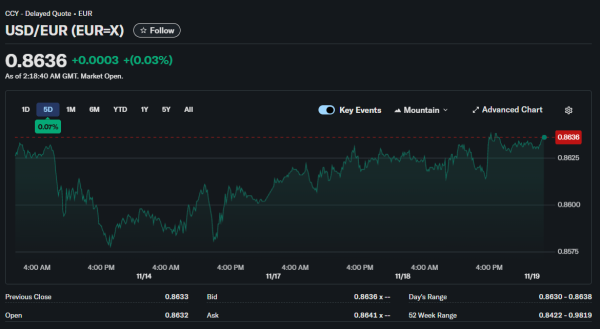
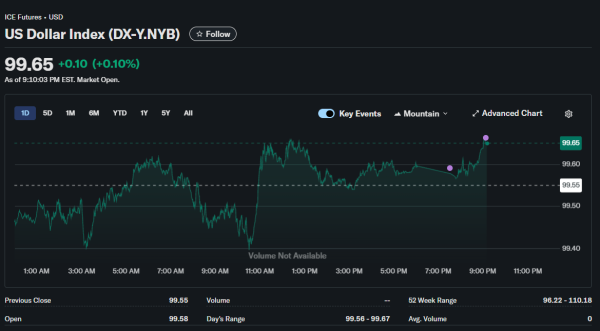
The dollar index climbed following the data release, gaining against a basket of major currencies. The euro, yen, and pound all weakened versus the greenback. Safe-haven flows supplemented manufacturing data support for dollar strength.
Emerging market currencies faced particular pressure from dollar appreciation. These currencies typically move inversely to dollar direction. Capital flow reversals from emerging markets to the United States accompanied currency movements.
Cryptocurrency markets showed some sensitivity to dollar strength. Digital assets often trade inversely to the greenback. However, crypto-specific factors dominated price action more than currency correlations.
Federal Reserve Implications
Stronger manufacturing data could influence Federal Reserve policy deliberations. Evidence of economic resilience argues against aggressive interest rate reductions. This potentially hawkish interpretation supported dollar strength.
Market expectations for Fed rate cuts in coming months moderated following the release. Interest rate futures adjusted to reflect lower probability of multiple rate reductions. This repricing benefited the dollar.
Fed officials have emphasized data-dependency in policy decisions. Manufacturing strength provides justification for patience before easing monetary policy. The central bank may maintain current rates longer than markets previously anticipated.
Interest Rate Differential
US Treasury yields climbed modestly following manufacturing data. The yield increase widened interest rate differentials versus other developed markets. Higher relative yields attract capital flows supporting the dollar.
European and Japanese bond yields remain substantially lower than US equivalents. This gap incentivizes investors to hold dollar-denominated assets. Carry trade dynamics favor the dollar given rate differentials.
Emerging market interest rates, while often higher nominally, carry significantly more risk. Investors demand risk premiums for emerging market exposure. During uncertain periods, capital flees toward safer dollar assets.
Trade Balance Considerations
A stronger dollar impacts US trade competitiveness. American exports become more expensive for foreign buyers. Conversely, imports become cheaper for US consumers and businesses.
The trade deficit typically widens when the dollar strengthens. This relationship reflects price elasticity effects on import and export volumes. However, other factors including economic growth rates also influence trade balances.
Manufacturing data strength suggests domestic production resilience despite dollar appreciation. American manufacturers may be maintaining competitiveness through productivity improvements. This would mitigate negative trade impacts from currency strength.
Corporate Earnings Impact
Multinational corporations face translation effects from dollar strength. Companies generating substantial revenue abroad see those earnings diminished when converted to dollars. This currency headwind affects reported financial results.
Some firms implement hedging strategies mitigating currency exposure. Financial derivatives allow companies to lock in exchange rates for future transactions. Hedging effectiveness varies based on strategies employed.
Sector-level impacts differ based on international exposure. Technology and consumer goods companies often generate majority revenues internationally. Utilities and regional banks show minimal currency sensitivity.
Safe Haven Dynamics
The dollar’s safe haven status reinforces during uncertainty. When geopolitical or economic risks escalate, capital flows toward perceived safety. US Treasury markets and the dollar benefit from these flows.
Recent geopolitical tensions have maintained elevated safe haven demand. Military conflicts and diplomatic standoffs keep investors cautious about risk. This backdrop supports dollar strength beyond economic fundamentals.
However, excessive dollar strength can become concerning. Very strong dollar conditions can tighten global financial conditions. Policymakers may eventually intervene if currency movements become disorderly.
Commodity Price Relationships
Dollar strength typically pressures commodity prices. Most raw materials trade in dollar terms globally. A firmer dollar makes commodities more expensive for holders of other currencies.
Oil prices showed some sensitivity to dollar movements. Energy markets balance supply-demand fundamentals against currency effects. The relationship isn’t perfectly inverse but correlation exists.
Gold, often viewed as an alternative to the dollar, declined as the greenback strengthened. Precious metals typically move opposite dollar direction. Investor allocation decisions between currencies and gold reflect confidence levels.
Forward Outlook
Sustaining dollar strength requires continued economic resilience and policy support. Any indication of significant economic weakening could reverse recent gains. Fed policy evolution will significantly influence trajectory.
Upcoming economic data releases will test dollar strength sustainability. Employment reports, inflation data, and additional manufacturing surveys all matter for currency direction. Markets will scrutinize each release.
Long-term dollar trajectory depends on multiple factors including fiscal policy and structural economic health. Budget deficit concerns occasionally weigh on the currency. However, near-term cyclical factors typically dominate.