
Alderstone-Holdings fixed income strategist Anna Tutova dissects how Treasury yields’ extraordinary intraday volatility revealed the true depth of market anxiety despite equity indices’ modest final moves.
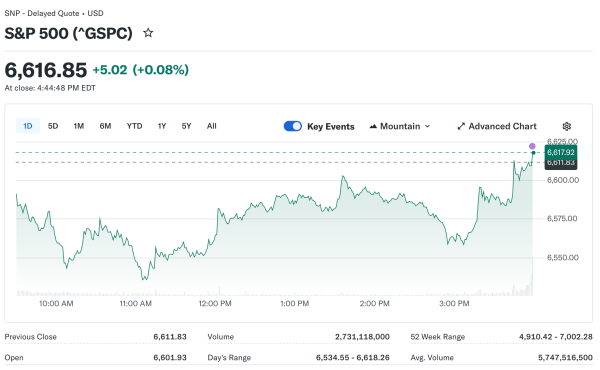
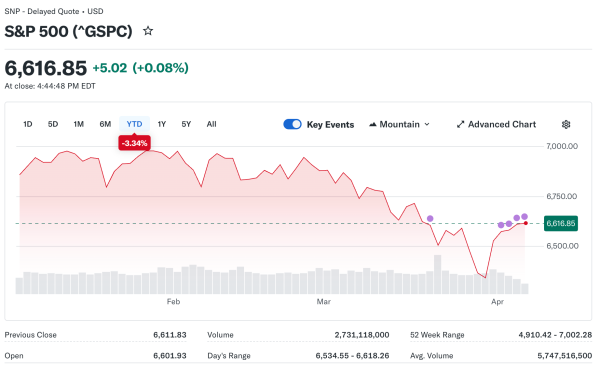
While equity headlines focused on the S&P 500’s tiny 0.08% gain, the Treasury market experienced violent swings that told a far more dramatic story. The 10-year Treasury yield moved in a 20-basis-point range on April 7, reflecting extreme uncertainty about outcomes as the 8 PM ET Iran deadline approached.
Bond yields fell sharply during morning trading as safe-haven demand surged, with the 10-year touching 4.08% intraday. By afternoon, as Pakistan’s ceasefire proposal emerged, yields reversed course toward 4.28% as traders unwound defensive positions.
The Flight to Safety
U.S. Treasuries represent the world’s ultimate safe-haven asset during a geopolitical crisis. When crude oil spiked toward $115 per barrel and war fears dominated, global capital flooded into government bonds regardless of yield levels.
The overnight move into bonds began in Asian trading as Japanese and Korean investors positioned defensively. European markets continued the trend, with German Bund yields falling even more sharply than Treasuries.
By New York market opened, the flight to safety accelerated. Institutional investors dumped equities and corporate bonds to buy Treasuries, prioritizing capital preservation over returns. Money market funds shifted from commercial paper into short-term government securities.
The Curve Dynamics
The yield curve flattened dramatically as short-term rates fell less than long-term yields. The 2-year/10-year spread compressed by 8 basis points intraday, reflecting expectations that a geopolitical crisis would force the Federal Reserve policy response.
Two-year Treasury yields declined to 3.92% from 4.05% at the prior close. The magnitude of the move suggests traders positioned for potential emergency rate cuts if oil shocks triggered a financial crisis or a deep recession.
Thirty-year bond yields experienced even larger swings, moving 25 basis points from high to low. Long-duration bonds amplify rate sensitivity, making them both most volatile during stress and most responsive to changing expectations.
The Auction Dynamics
April 7 featured a $58 billion three-year Treasury note auction, creating additional complexity as dealers positioned for the sale while managing geopolitical risk. Auction results typically influence subsequent trading, but the Iran deadline overshadowed normal market mechanics.
The auction drew solid demand with a bid-to-cover ratio of 2.61, slightly above recent averages. Indirect bidders, primarily foreign central banks, took 62% of the offering, demonstrating continued international demand for dollar-denominated safe assets.
Primary dealers absorbed 18%, below typical levels, suggesting genuine end-investor demand rather than dealers warehousing bonds. The healthy auction results provided a minor positive signal about the Treasury market functioning despite broader stress.
The Pakistan Effect
When Pakistani Prime Minister Sharif’s ceasefire proposal hit wires around 4 PM ET, Treasury yields spiked as quickly as they had fallen earlier. The 10-year jumped 15 basis points in minutes as traders who bought bonds for safety suddenly faced losses.
Hedge funds running relative value strategies got whipsawed by the violent moves. Positions expecting gradual trends worked well for years, but collapsed when geopolitical binary events created instant reversals.
Long-duration Treasury ETFs experienced unusual volume as retail investors attempted to trade the macro swings. The TLT (iShares 20+ Year Treasury ETF) moved 1.8% intraday, massive for typically stable bond funds.
The Inflation Implications
$115 crude oil sustained for quarters creates significant inflationary pressure throughout the economy. Energy costs flow through production and transportation, raising prices broadly even for goods with no direct energy content.
Gasoline prices approaching the $4.50 national average directly impact consumer inflation measures. Headline CPI would likely spike to 4.5% to 5% year-over-year if oil remained at current levels, far above the Federal Reserve’s 2% target.
Breakeven inflation rates embedded in Treasury Inflation-Protected Securities jumped 18 basis points, reflecting market expectations for higher inflation over the next five years. This complicates the Fed’s policy calculus significantly.
The Federal Reserve Dilemma
The Fed faces impossible choices if oil shocks trigger stagflation with rising inflation and slowing growth simultaneously. Traditional policy tools work for pure inflation or pure recession, but fail when both occur together.
Raising interest rates to combat energy-driven inflation risks deepening recession by tightening financial conditions when the economy is already weakened. Cutting rates to support growth allows inflation to accelerate, potentially becoming entrenched.
The Outlook Uncertainty
The two-week ceasefire, if accepted, provides temporary relief but doesn’t eliminate Treasury market volatility. Another deadline in late April means the cycle could repeat with similar or greater magnitude.
Structural positioning in bond markets changed significantly on April 7. Investors who bought Treasuries expecting safety learned that geopolitical binary events can create losses even in traditionally stable assets.
The 20 basis point intraday range exceeded all but the most extreme trading days historically. Market participants must now price in the possibility that similar volatility returns as the geopolitical situation evolves.