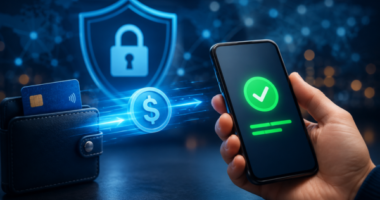


As trust in centralized exchanges wanes, crypto users are embracing a new kind of control—one that fits in their pockets.
In 2025, the conversation around crypto wallets has moved beyond convenience and into the realm of digital sovereignty. With growing awareness of counterparty risk, regulatory uncertainty, and exchange collapses, more users are migrating their digital assets into self-custody wallets, ushering in a shift from passive holding to active ownership. This trend reflects not just a shift in tools, but a cultural evolution in how people interact with money and value online.
The Exodus from Exchanges
Recent events in the centralized exchange world have rattled confidence. High-profile collapses, frozen withdrawals, and delayed reimbursements have made one thing clear: not your keys, not your coins.
According to data from Glassnode, wallet creation is at an all-time high, and crypto wallet providers like Exodus have reported a significant uptick in downloads and active users throughout Q1 and Q2 of 2025.
Other self-custodial platforms are seeing similar growth as awareness spreads across the broader crypto community.
“People are no longer satisfied with trusting third parties,” says Mark Beadle, a crypto security analyst. “The self-custody movement is about regaining agency and understanding the tools that protect your wealth. It’s a shift from blind trust to informed control.”
A New Generation of Wallets
What was once a technical hurdle has now become an intuitive user experience. Today’s wallets are sleek, secure, and designed with mainstream adoption in mind. From mobile apps with elegant interfaces to hardware wallets featuring biometric protection, the evolution of wallet technology reflects a commitment to accessibility.
Some of the most notable innovations include:
- Multi-chain compatibility, allowing users to manage Bitcoin, Ethereum, Layer 2 tokens, and even NFTs in a single interface.
- Built-in swaps and staking, removing the need to rely on centralized exchanges for basic financial operations.
- Recovery features that balance accessibility with privacy, including encrypted backups, social recovery options, and cloud-secured seed storage.
These advancements are not just cosmetic. They are foundational to expanding crypto access beyond early adopters. The user-centric approach is helping to onboard a broader audience—including investors, creators, and mobile-first users—into the self-custody ecosystem.
Why Self-Custody Matters More Than Ever
In a decentralized economy, control is everything. Holding private keys means controlling your digital assets without intermediary risk. For investors who prioritize long-term security or privacy, wallets offer a direct line to the blockchain without compromise. Unlike custodial services, which operate as gatekeepers, self-custodial wallets function more like personal safes—giving you the final say in when, how, and why your funds move.
But it’s not just about protection. It’s about participation. Wallets are evolving into multi-functional access points to the Web3 ecosystem. They now serve as gateways to:
- DeFi protocols, where users can lend, borrow, and earn yield;
- NFT platforms, enabling the purchase, storage, and display of digital collectibles;
- DAO participation, offering voting rights and governance roles in decentralized communities;
- Tokenized identity, where your wallet may serve as your login to a decentralized digital life.
“The wallet is the new interface of the internet,” says Rhea Patel, a developer focused on decentralized identity. “It’s where financial tools, personal credentials, and data ownership converge—without centralized oversight.”
Education Is the Missing Link
Despite technical advances, onboarding remains a challenge. Many new users are unfamiliar with terms like “seed phrase,” “gas fee,” or “network confirmation.” Mistakes in wallet setup or transaction execution can result in lost assets—something no traditional bank would tolerate.
To solve this, wallet providers and blockchain educators are investing in better UX and in-app education. Pop-up tooltips, interactive onboarding flows, and built-in alerts for suspicious activity are now commonplace across modern wallet interfaces. Some wallets even simulate transactions before finalizing them, allowing users to understand exactly what they’re authorizing.
“Adoption isn’t just about building better tech—it’s about building trust,” says Patel. “People need to feel safe and informed when stepping into self-custody. That’s where education becomes a core feature, not just a blog post.”
A Gateway to Financial Inclusion
In regions with limited access to banking infrastructure, mobile-first crypto wallets are also opening new doors. With just a smartphone and internet connection, users can save, spend, and even earn in a decentralized ecosystem, without needing traditional intermediaries. From Latin America to sub-Saharan Africa, these wallets represent far more than a tool for digital speculation—they are instruments of financial freedom.
For example, peer-to-peer crypto payments are enabling cross-border remittances without the high fees and delays of traditional money transfer services. Local businesses are accepting crypto payments directly through wallet apps, reducing reliance on volatile local currencies. Even decentralized microloans and savings programs are being coordinated through wallets in underbanked regions.
And in highly developed economies, wallets are integrating features like tokenized identity, encrypted messaging, browser extensions, and portfolio analytics—evolving into comprehensive personal finance hubs.
What’s Next?
As wallet infrastructure matures, it’s poised to play a critical role in the next phase of crypto adoption. We’re entering an era where financial autonomy isn’t a fringe idea—it’s a mainstream expectation. Innovations, such as account abstraction, multi-party computation (MPC), and programmable smart wallets, are unlocking experiences that combine security with simplicity.
At the same time, wallets will likely sit at the center of Web3 identity, authentication, and data control. In an increasingly tokenized world, your wallet may soon do more than just store value—it could verify your citizenship, unlock real-world memberships, or grant access to digital experiences personalized to your on-chain behavior.
Whether users are seeking independence from exchanges, participating in decentralized governance, or just sending peer-to-peer payments without friction, wallets are the silent enablers behind it all.
And in that silence lies power.
This notice states that the information provided is not an offer or solicitation to buy or sell securities, and its accuracy or completeness is not guaranteed. The authors may own the discussed cryptocurrency. The content, which is subject to change, is for informational purposes only and should not be considered investment, tax, legal, or accounting advice. Readers are advised to consult professional advisors before any transaction. Visionary Financial does not endorse the content and was not compensated for this guest post. Please review their privacy policy, disclaimer, and terms and conditions for more details.