


In a world where global trade tensions shape corporate strategy, even an industry titan like Tesla is not immune. The electric vehicle giant has recently recalibrated its offerings both in China and the United States, signaling broader shifts within the EV landscape.
From rising tariffs to cooling enthusiasm for flagship products, Tesla’s recent moves suggest the company is navigating choppy waters driven by both political headwinds and evolving consumer sentiment.
Paul Levine, an industry strategist from QuilCapital, delves into these developments, shedding light on how Tesla’s shifting direction reflects larger market forces and challenges in global EV dynamics.
Tesla Pulls US-Made Models from China as Tariffs Soar
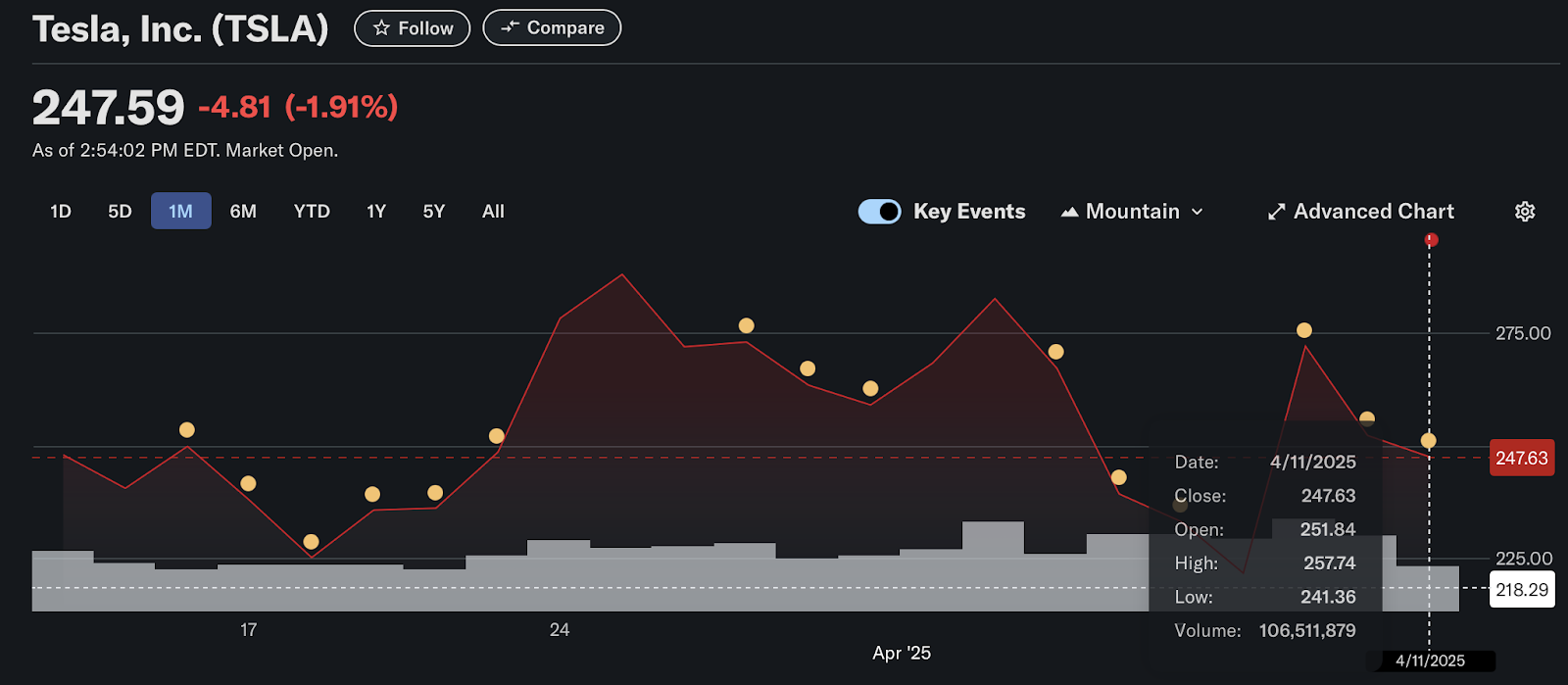 image from finance.yahoo.com
Tesla has taken decisive steps in response to escalating trade barriers. The removal of the “order” button for the Model S and Model X from Tesla’s China website marks a significant strategic retreat. These premium electric vehicles, manufactured in California, have been directly impacted by China’s decision to increase tariffs on US imports from 84% to 125%.
While customers in China can still acquire existing stock, the move effectively halts new purchases of these models, underscoring how cross-border tensions can rapidly alter business access. Though Tesla sold just around 2,000 Model S and X units in China, the gesture is symbolic of deeper trade unease and the vulnerability of even well-established players in a tit-for-tat tariff environment.
Tesla’s Q1 retail performance in China showed only a modest increase of 1.7% year over year, reaching 134,607 units sold, but a steep 31.6% drop compared to Q4 2024, as reported by the China Passenger Car Association. The Model Y’s recent refresh helped somewhat, but not enough to counteract broader demand constraints.
The Cybertruck Reboot: A Cheaper, Less Capable Version Hits the US Market
 image from cleantechnica.com
Back in its home market, Tesla is addressing a different kind of challenge: waning enthusiasm for the Cybertruck. In response, Tesla unveiled a Long-Range rear-wheel drive variant of the Cybertruck, starting at $69,990–a $10,000 discount compared to the former base AWD model.
However, the lower price tag comes with compromises. The new variant has only one motor, resulting in a 0-60 mph acceleration time of 6.2 seconds, down from the AWD’s 4.1 seconds. Its towing capacity has also been reduced to 7,500 pounds from 11,000 pounds, and the range caps at 350 miles.
The truck’s interior and features have also been scaled back. It features cloth seats instead of leather, lacks a rear-seat touchscreen, and omits the retractable tonneau cover, adaptive air suspension, and rear lightbar. Power outlets in the truck bed have also been removed, reinforcing this model as a stripped-down option meant to re-ignite interest, not showcase Tesla’s technological edge.
Demand Slippage Despite Overall EV Growth in the US
While electric vehicle sales rose 10% year-over-year in the US during Q1 2025, Tesla has not equally shared in this growth. The company delivered only 6,406 Cybertrucks during Q1, a significant fall from the 12,991 units delivered in the final quarter of 2024, according to data from Cox Automotive.
This sharp decline raises concerns about whether the Cybertruck is losing its appeal amid increased competition and internal setbacks. To adjust, Tesla has cut shifts at its Giga Austin facility and issued multiple price cuts to reduce swelling inventory.
Adding to the challenges, the Cybertruck has faced a spate of recalls, including recent reports of exterior trim parts detaching due to adhesive failure. These manufacturing hiccups, while not catastrophic on their own, erode consumer trust and reinforce the perception that Tesla’s newest model may have launched prematurely.
Geopolitics and Brand Reputation: A Tense Balancing Act
Beyond market forces, Tesla’s recent hurdles are entangled in political narratives. The company’s brand has increasingly been linked to partisan issues in the US, particularly due to its CEO’s alignment with America’s current administration and visible presence in shaping new economic policies through entities such as the Department of Government Efficiency (DOGE).
Critics argue that Tesla’s perceived proximity to controversial policy decisions is alienating potential customers, particularly for vehicles like the Cybertruck, which are more closely associated with the company’s leadership. This political alignment may be a double-edged sword–garnering attention but also polarizing public sentiment at a time when the brand needs broad consumer appeal.
Conclusion: Recalibrating for Resilience
Tesla’s recent moves reflect a company under pressure, not just from global trade barriers and declining product demand, but from broader reputational and strategic forces. Whether pulling US-built models from the Chinese market or reintroducing a more affordable Cybertruck variant in the US, the company is adapting, though not without friction.
The current landscape underscores the complex web of geopolitics, production logistics, shifting consumer demand, and public perception that now defines success in the EV industry. As the market matures, agility and brand neutrality may become as crucial as innovation and pricing.

COMTEX_465114524/2922/2025-05-01T12:53:20
This press release was originally published on this site