


A new wave of regulatory reversals and court decisions is reshaping the future of artificial intelligence, semiconductor exports, and the global gaming industry. From potential repeals of complex chip export rules to failed antitrust cases against tech titans, America’s evolving stance on technology policy is sending mixed signals across markets.
At the center of it all is a regulatory recalibration that may unlock innovation, but could also introduce fresh uncertainties for investors and companies alike. A financial expert from Sohal Market explores the strategic and economic implications behind these pivotal shifts.
AI Chip Policy Reversal Sparks Market Momentum
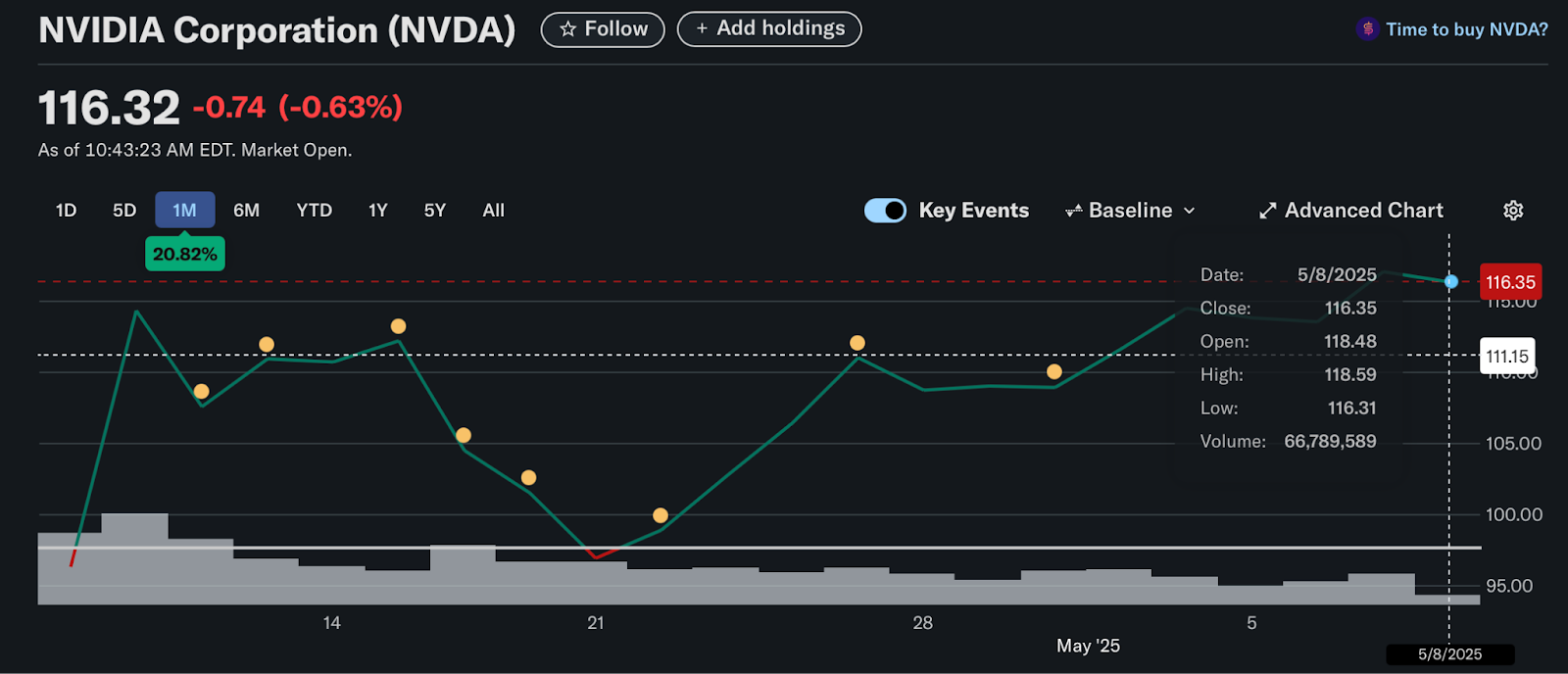
Nvidia (NVDA) stock climbed 1.5% in early premarket trading following a report that America’s current administration plans to reverse the Biden-era “AI diffusion” export rule, which had restricted the overseas distribution of high-end artificial intelligence chips.
This rule, set to go into effect in May, was originally designed to prevent indirect AI chip exports to China through third-party countries. It also curtailed U.S. firms’ expansion of AI data center infrastructure abroad, causing concern among domestic tech giants.
The Commerce Department now deems the rule “overly bureaucratic” and intends to replace it with a simpler framework aimed at reinforcing American innovation and dominance in AI. While the move offered immediate relief for Nvidia and Advanced Micro Devices (AMD), which rose nearly 4%, market enthusiasm was tempered after the opening bell, with Nvidia’s gains flattening out.
Broader Implications of the AI Chip Repeal

Despite positive market reactions, industry insiders are cautiously optimistic. The repeal may simplify export policy, but it doesn’t necessarily remove all hurdles. According to reports, officials are considering the creation of a global licensing framework, potentially introducing stricter controls that would place AI chip exports at the heart of future trade negotiations.
This has created strategic ambiguity, especially as the administration weighs imposing semiconductor tariffs of up to 25% as early as July. The challenge? Most semiconductors enter the U.S. embedded in finished electronics like servers and smartphones, raising logistical and enforcement questions.
These developments come after prior trade policies helped drag Nvidia and AMD shares down 13% and 17%, respectively, in 2025 alone. Even if export restrictions ease, tariff threats could reignite volatility, making it difficult for chipmakers to plan production and international scaling.
Big Tech’s Legal Wins: FTC Faces Pushback
While chipmakers react to regulatory loosening, the Federal Trade Commission (FTC) is grappling with a legal defeat that reshapes the landscape for tech mergers. After nearly three years of opposition, the FTC lost its case to reverse Microsoft’s $69 billion acquisition of Activision Blizzard.
In a decisive ruling, the Ninth Circuit Court of Appeals determined that the FTC failed to provide sufficient evidence that the merger would harm competition. The decision emphasized the need for proof of real competitive harm, not just theoretical risks, before blocking major deals.
This ruling strikes a blow to broader efforts by both recent administrations to rein in Big Tech through aggressive antitrust enforcement. The FTC had argued that Microsoft could restrict access to key gaming franchises like “Call of Duty,” yet the court disagreed, pointing to Microsoft’s public commitment to keeping the franchise available on competing consoles for a decade.
Gaming Industry Realignment: Microsoft Levels Up
With the Activision deal now officially closed, Microsoft emerges as the second-largest console maker by revenue, behind Sony and ahead of Nintendo. Globally, it becomes the third-largest gaming company, trailing only Tencent and Sony in revenue terms.
By acquiring blockbuster franchises like “World of Warcraft,” “Diablo,” “Overwatch,” and “Candy Crush,” Microsoft expands its footprint across console, PC, and mobile markets. The company’s control of this ecosystem could influence pricing, subscription models, and platform exclusivity, although regulatory scrutiny will likely persist.
The FTC’s legal avenues aren’t completely closed–it continues its in-house challenge against the merger–but legal analysts say the appellate ruling may undermine the legitimacy of ongoing action.
Geopolitical Friction Meets Commercial Ambition
The intersection of trade policy and tech dominance reveals a bigger strategic picture. AI chips are becoming geopolitical chess pieces, not just economic products. The shift from hard restrictions to a licensing regime implies an effort to balance national security with economic competitiveness–two goals often at odds.
Meanwhile, the failure to halt the Microsoft-Activision merger signals that judicial patience for aggressive antitrust theory may be waning. Courts now appear to demand tangible proof of future harm, rather than speculative forecasts.
For investors and corporations alike, these events highlight a key duality: regulatory volatility can both unlock and constrain opportunity, depending on how policy is applied and interpreted.
Conclusion
From AI chip policy to gaming mega-mergers, recent moves by U.S. regulators and courts are sending powerful messages to the tech world. Nvidia and AMD may gain breathing room if the export restrictions ease, but looming tariffs could reverse that optimism. On the legal front, the FTC’s setback on the Activision case signals a higher bar for proving harm in tech consolidation efforts, possibly clearing the path for future deals.
This era of regulatory reshuffling and legal redefinition is far from over. But one thing is clear: Washington’s decisions continue to cast long shadows over Silicon Valley’s ambitions and Wall Street’s expectations.

COMTEX_465324324/2922/2025-05-08T23:47:46
This press release was originally published on this site