


In the ever-evolving world of digital assets, a blend of corporate maneuvering and global economic shifts is reshaping the terrain for investors, institutions, and regulators alike. The recent $1.25 billion acquisition of Hidden Road by Ripple Labs, a major player in the crypto space and issuer of XRP, signals a pivotal moment not just for the firm but for the broader decentralized finance (DeFi) ecosystem.
At the same time, macroeconomic tensions — including escalating tariffs and market volatility — are exerting downward pressure on cryptocurrency prices, adding another layer of complexity for stakeholders navigating this space.
Sofia Romanov, Vanguard LGC‘s financial strategist, sheds light on this multifaceted moment for the crypto economy, examining what the Ripple-Hidden Road deal means for XRP’s trajectory and how broader market currents might influence digital assets in the months to come.
Ripple’s $1.25 Billion Acquisition: A Power Play in DeFi Infrastructure
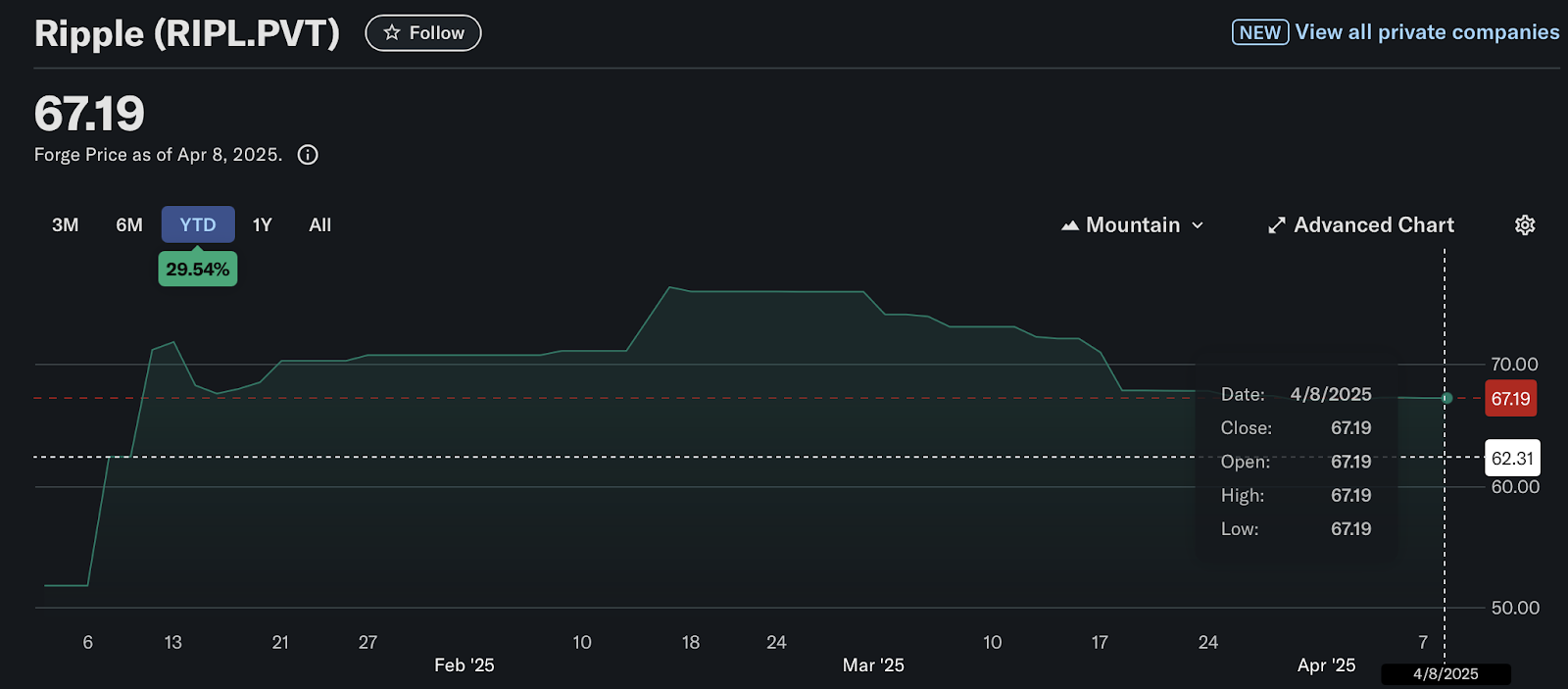 image from finance.yahooo.com
Ripple Labs’ decision to acquire Hidden Road, a prime brokerage firm, represents one of the largest acquisitions in crypto history. The move reflects Ripple’s broader ambitions to solidify its position as a critical infrastructure provider for institutional finance within the decentralized space.
Hidden Road, a firm known for facilitating post-trade clearing and access to digital and traditional financial markets, will soon be integrated into Ripple’s ecosystem. Post-trade activities will migrate to the XRP Ledger, the decentralized blockchain backbone of Ripple’s operations. This migration is intended to streamline clearing operations and enhance settlement efficiency — a clear nod to Ripple’s strategy of bridging traditional and crypto finance.
Moreover, the acquisition aims to enhance the utility of Ripple’s RLUSD, a U.S. dollar-pegged stablecoin, by enabling cross-margining — a practice that allows investors to reduce margin requirements by offsetting positions across multiple assets. This move could lower operational barriers for institutional investors looking to access crypto assets while managing risk through more familiar traditional trading strategies.
Regulatory Tailwinds and Legal Clarity in the U.S.
A crucial backdrop to this acquisition is the recent resolution of Ripple’s long-standing legal battle with the U.S. Securities and Exchange Commission. The case, which revolved around whether XRP constituted unregistered security, ended earlier this year when the SEC dropped its appeal, signaling a rare moment of regulatory clarity in the U.S. crypto landscape.
The resolution has provided a significant tailwind for Ripple, removing a major overhang that had long clouded its expansion efforts. With regulatory uncertainties beginning to ease, Ripple is now positioned to aggressively pursue global partnerships and acquisitions.
In this context, the Hidden Road acquisition is not just a financial maneuver — it’s a calculated step to leverage legal clarity, operational scalability, and institutional-grade infrastructure in a sector where legitimacy and security are increasingly paramount.
XRP’s Price Momentum and Strategic Implications
 image from finance.yahooo.com
Market sentiment toward XRP has been notably responsive to Ripple’s recent moves. The digital asset traded at $1.96 shortly before the acquisition announcement and later ticked up to $2.04, showing relative resilience in a broadly declining market.
This modest but meaningful price increase reflects investor optimism regarding Ripple’s potential to integrate Hidden Road’s infrastructure and bring XRP deeper into mainstream financial use cases. By embedding XRP more firmly into cross-border payments, custody services, and trading operations, Ripple could position XRP as more than just a speculative asset — potentially transforming it into a key settlement layer in the next iteration of global finance.
Macro Market Tensions: Tariffs, Volatility, and Crypto Pressure
While Ripple charts its strategic path, the broader cryptocurrency market has been rattled by macroeconomic uncertainties, particularly surrounding U.S.-China relations. Recently, China imposed 34% retaliatory tariffs on American goods, escalating trade tensions and triggering sharp selloffs across traditional markets.
This geopolitical strain spilled over into crypto markets as well. On Friday, Bitcoin slipped 1.1% to $82,163, briefly dipping below $82,000 during the Thursday trading session. XRP, while slightly buoyant, remains sensitive to these macroeconomic crosswinds.
Equity markets have also felt the pressure. S&P 500 futures dropped by approximately 3%, following a staggering 4.8% plunge in the benchmark index — the worst single-day performance in over five years. Such volatility typically reverberates across risk assets, including cryptocurrencies, as investors seek safer ground.
According to market analysts, heightened volatility due to retaliatory tariffs and global uncertainty could cause wild swings in crypto valuations. Some experts believe that, unless diplomatic or monetary easing measures are introduced, Bitcoin could fall to a range of $76,000-$78,000 by month’s end, with even steeper drops — potentially to $52,000-$56,000 — projected during the summer months.
Conclusion
The convergence of Ripple’s strategic acquisition, macroeconomic upheaval, and regulatory clarity marks a critical juncture for the digital asset sector. While short-term volatility remains a persistent challenge, long-term structural shifts — including blockchain integration, institutional participation, and improved legal frameworks — continue to shape the foundation for crypto’s next phase.
For Ripple, integrating Hidden Road could unlock new synergies and expand the practical use of XRP. For investors and market participants, the key lies in distinguishing between temporary noise and lasting transformation.
As the dust settles, one thing is clear: the digital asset market is no longer a speculative sideshow — it’s rapidly becoming a central pillar of tomorrow’s financial architecture.

COMTEX_465113684/2922/2025-05-01T12:30:12
This press release was originally published on this site