Bitcoin exchange-traded funds have delivered extraordinary returns since their introduction, with some posting gains exceeding 100% that force investors to reconsider their allocation strategies. A Senior Financial Analyst at Rineplex explores whether the spectacular performance creates profit-taking pressure or validates the case for maintaining aggressive crypto exposure.
When Moonshots Become Reality
The spot Bitcoin ETF approval marked a watershed moment for cryptocurrency investing, providing regulated access through traditional brokerage accounts. What followed exceeded even optimistic projections, with leading ETFs doubling in value within months. This performance raises pleasant problems for investors who must now decide whether to take profits or let winners run.
Portfolio rebalancing discipline suggests trimming positions that have appreciated substantially. An allocation that started at 5% of a portfolio and doubles now represents close to 10% of total assets if other holdings remained flat. Professional advisors typically recommend rebalancing back to target weights to maintain intended risk profiles.
However, momentum investors argue that strength begets strength. Assets making new highs often continue appreciating as technical breakouts attract additional buying. Selling into strength might mean leaving substantial gains on the table if Bitcoin continues its ascent. The tension between disciplined rebalancing and momentum-chasing creates genuine dilemmas.
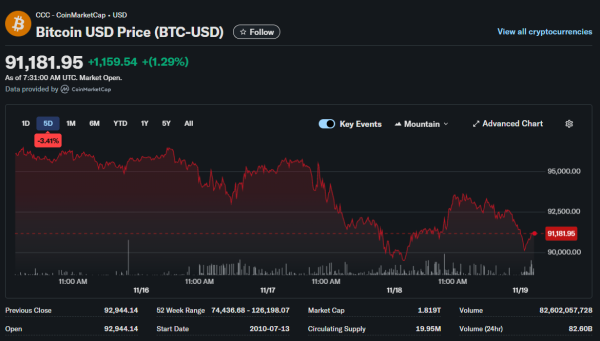
Many analysts emphasize that position sizing decisions should reflect both technical factors and fundamental conviction. Investors who view Bitcoin as a transformational technology might justify higher allocations than those seeing it as purely speculative. Personal risk tolerance and time horizon become critical variables.
The psychological dimension of managing large gains deserves attention. When positions appreciate dramatically, investors face pressure from multiple directions. Financial advisors recommend prudent rebalancing. Media coverage amplifies fears of missing additional gains. The emotional challenge of navigating these crosscurrents often determines actual behavior more than analytical frameworks.
Evaluating Performance Sustainability
The key question underlying profit-taking decisions involves sustainability of recent gains. Did Bitcoin ETFs rally due to one-time factors like pent-up demand meeting new supply, or do structural tailwinds support continued appreciation? The answer influences whether current prices represent peaks or waypoints.
Institutional adoption remains incomplete despite ETF availability. Major pension funds and endowments have barely begun exploring crypto allocations. If these massive pools of capital eventually dedicate even small percentages to Bitcoin, the resulting buying pressure could dwarf what’s occurred so far. This bull case justifies holding positions despite strong gains.
Alternatively, mature market dynamics might already reflect all good news. ETF launch, regulatory clarity improvements, and institutional interest were predictable catalysts that markets could front-run. If positive developments have been largely priced in, future returns might prove more modest regardless of Bitcoin’s long-term potential.
The adoption curve analysis provides a framework for assessing sustainability. If Bitcoin remains in the early-adopter phase with mainstream adoption still ahead, substantial appreciation potential exists. However, if adoption has reached later stages with only laggards remaining, future gains would necessarily moderate. Determining Bitcoin’s position on this curve proves subjective but critical for long-term positioning.
Supply dynamics also factor into sustainability assessments. Bitcoin’s fixed supply of 21 million coins creates scarcity that supports value as demand increases. However, the distribution of existing coins among holders matters tremendously. If long-term holders have no intention of selling, the effective available supply remains constrained even if nominal supply seems adequate.
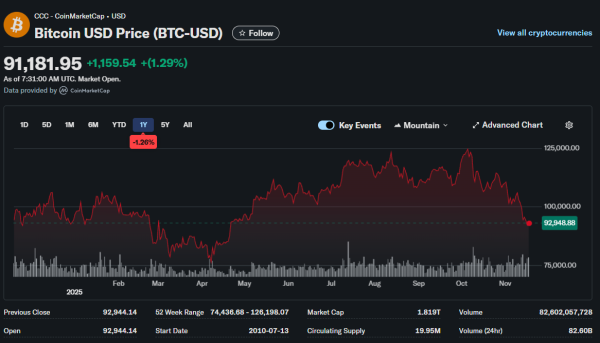
Tax Considerations Complicate Decisions
Capital gains taxes create friction that influences profit-taking timing. Realizing substantial gains triggers tax liabilities that reduce net returns. Investors in high tax brackets might prefer holding positions long enough to qualify for long-term capital gains treatment rather than paying higher short-term rates on quick flips.
Tax-loss harvesting opportunities also factor into the equation. If other portfolio positions have declined, realizing Bitcoin gains could be offset partially by selling losers. The net tax impact becomes more manageable, potentially making profit-taking more palatable. These portfolio-level considerations require holistic analysis.
The state tax implications add another layer of complexity. High-tax states like California and New York impose substantial state capital gains taxes on top of federal obligations. For residents of these jurisdictions, the total tax burden from realizing gains can exceed 40% when combining federal and state liabilities. This enormous tax cost creates powerful incentives to defer realization.
Wash sale rules traditionally apply to securities but not cryptocurrencies, though regulatory changes could alter this. The ability to sell Bitcoin at a loss for tax purposes while immediately repurchasing positions has provided tactical flexibility. However, relying on current tax treatment as permanent creates risks if rules change.
Final Position
The stellar Bitcoin ETF performance validates both early adopters and creates dilemmas for current holders. Profit-taking pressure intensifies as gains mount, but momentum could carry prices substantially higher if structural adoption continues. There’s no single correct answer, only frameworks for thinking through the personal variables that should drive individual decisions.
Markets will eventually render verdicts on today’s positioning choices. Those who sold too early will regret missing additional gains. Those who held too long through inevitable corrections will regret not taking profits at peaks. The unknowable future means accepting some regret regardless of choices made today.