

The global automotive industry stands at a critical juncture, where shifting trade policies, supply chain vulnerabilities, and geopolitical dynamics are reshaping how and where vehicles are made, and who ultimately benefits. In a surprising twist, U.S.-based automakers may be among the most vulnerable to the very tariffs intended to shield them from foreign competition.
Meanwhile, companies like Tesla are recalibrating growth strategies amidst political noise and production challenges. A financial strategist from Vanguard LGC, Joseph Phill, explores this evolving landscape, offering a fresh perspective on what lies ahead for automakers navigating uncertain terrain.
Domestic Automakers Face Unintended Tariff Pressures
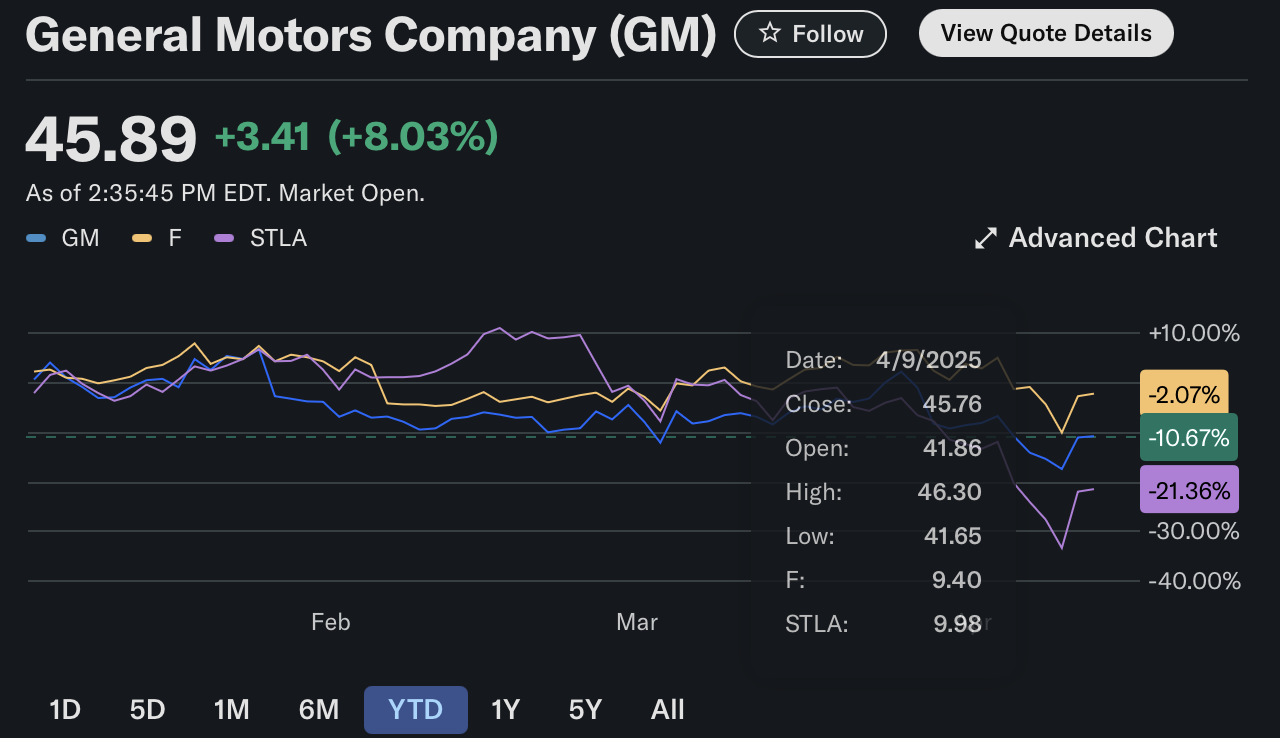 image from finance.yahoo.com
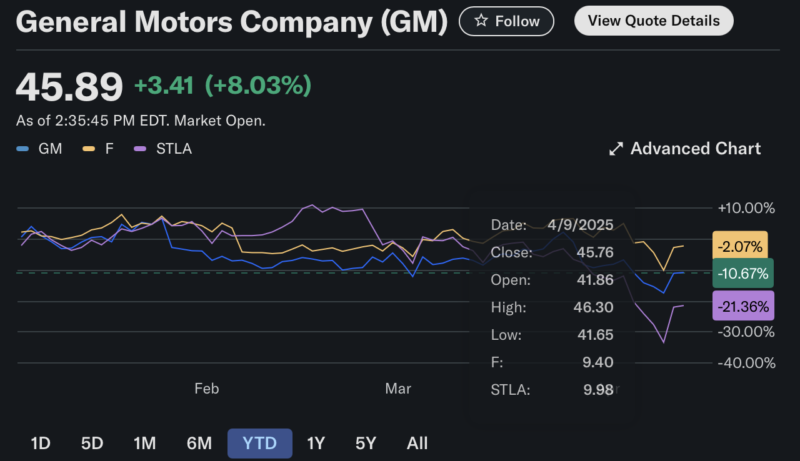
Recent trade measures have once again brought automotive tariffs into the spotlight, with the U.S. administration targeting foreign-made vehicle imports with a 25% duty. Surprisingly, it’s not international brands that are most affected–but Detroit’s Big Three.
According to market intelligence from JATO Dynamics, General Motors, Ford, and Stellantis collectively sold 1.85 million imported vehicles into the U.S. in 2024. That figure represents 12.6% of their global sales, making them more exposed to U.S. tariffs than their foreign competitors.
By contrast, Japanese automakers like Toyota, Honda, and Nissan had only 8.5% of their global sales as imports in the U.S., while German brands such as BMW, Mercedes-Benz, and Volkswagen showed even lower U.S. import exposure at 6.9%.
This counterintuitive dynamic stems from the operational strategies of these companies. While Detroit’s auto giants rely heavily on the U.S. market and import a considerable share from nearby nations like Mexico and Canada, foreign automakers have diversified production bases, both globally and within U.S. borders.
Localized Manufacturing Provides a Tariff Buffer
One of the key reasons international automakers are less affected by tariffs is their strategic investment in domestic production facilities. Brands like Mercedes-Benz and BMW operate major manufacturing plants in Alabama and South Carolina, respectively, allowing them to avoid high import costs while staying competitive in the American market.
This localized approach is not just a smart workaround–it’s a reflection of a long-term commitment to the U.S. auto market. As JATO analysts point out, even with the tariffs, foreign carmakers view the U.S. as an indispensable market.
For many, pulling out isn’t a viable option. Instead, they are accelerating investments in domestic production capacity, a costly but necessary shift to safeguard market share.
Indeed, automakers like Hyundai-Kia, Toyota, and Volvo are expected to expand U.S. manufacturing shortly, a strategic move that could take years and billions in capital to execute properly.
Supply Chain Complexity and Rising Costs
The tariffs are just one piece of a broader puzzle. Multinational automakers operate in a world of highly complex, globally integrated supply chains. Any disruption–be it tariffs, raw material shortages, or regulatory changes–ripples across operations.
Further complicating matters is the looming rollout of additional tariffs on auto parts, scheduled for May 3. These levies will raise manufacturing costs even for vehicles built domestically, as many components still come from abroad. As one industry analyst aptly noted, “This is yet another challenge for an already strained sector.”
For Detroit’s Big Three, which have already been dealing with fluctuating labor costs and electrification demands, these additional pressures could affect everything from production timelines to pricing strategies.
Tesla’s Tactical Advantage and Long-Term Bet on Energy
 image from finance.yahoo.com
While legacy automakers face tariff risks and supply chain headaches, Tesla appears to be operating on a slightly different plane. Despite recent turbulence–including soft Q1 sales, politically driven brand perception shifts, and brief factory shutdowns–Tesla’s long-term outlook remains compelling to some financial experts.
A recent assessment by a senior equity analyst suggested that Tesla’s stock remains undervalued, with much of the negative sentiment already priced in. The analyst forecasted a 12-month price target of $360, citing a likely rebound from what is typically the weakest quarter in auto sales.
Tesla’s energy-storage division is also a rising star. Not only is it growing at a fast clip, but it also boasts higher margins than the company’s core auto business. In Q1, Tesla’s energy-storage segment recorded its second-best quarter ever, reinforcing its potential as a profit engine going forward.
From a macro perspective, Tesla’s relatively low exposure to import tariffs gives it more pricing power and flexibility within the U.S. market. Combined with industry-leading gross margins and a strong balance sheet, the company is better positioned to weather near-term volatility than many of its rivals.
Conclusion
As the global auto sector navigates a tightening web of tariffs, economic pressures, and evolving consumer expectations, it becomes clear that adaptability and foresight are the keys to survival. While America’s major automakers find themselves paradoxically impacted by the very policies meant to protect them, foreign brands with localized operations seem better prepared for the shifting tides.
Meanwhile, Tesla’s ability to pivot toward higher-margin businesses and maintain a lean, globally resilient model could mark a turning point in how automotive success is measured. Whether traditional automakers can follow suit remains uncertain–but one thing is clear: the industry is undergoing a transformation where strategy will trump scale.

COMTEX_465113988/2922/2025-05-01T12:38:56
This press release was originally published on this site