Puig Brands saw a sharp rally in early trading after confirmation that Estée Lauder is exploring a potential acquisition, igniting strong investor interest across the beauty sector. The move reflects growing speculation around consolidation among global cosmetics players seeking scale and efficiency.
Mikey S., an equity strategist at QuilCapital, provides a closer look at the implications of this potential deal and how markets are reacting to the possibility of a major industry combination.
Puig Surges While Estée Lauder Shows Mixed Reaction
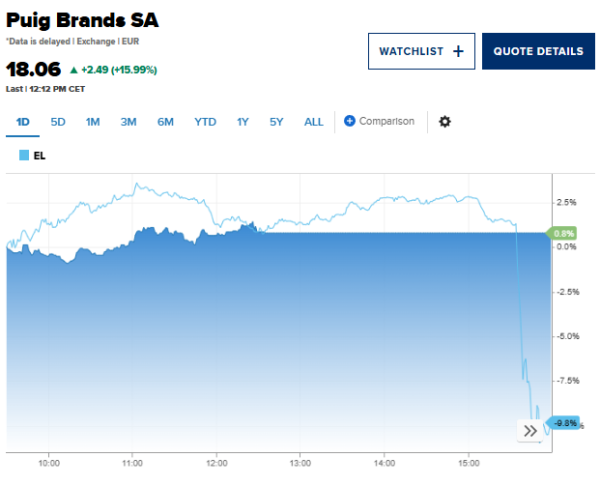
Shares of Puig surged by as much as 15%, later holding gains of around 14.6%, following confirmation that discussions are underway. In contrast, Estée Lauder shares showed only modest movement in premarket trading, rising less than 1%, after previously falling 7.7% when the initial report surfaced.
The differing reactions highlight how investors are pricing in potential benefits for Puig while remaining cautious about the execution risks for Estée Lauder.
Potential Industry Giant In The Making
A merger between the two companies would create a powerful global beauty group, combining major brands across fragrance, skincare, and cosmetics. The combined portfolio would include well-known names such as Tom Ford Beauty, Carolina Herrera, and Clinique, alongside Puig’s holdings like Charlotte Tilbury, Nina Ricci, and Rabanne.
This type of consolidation could significantly reshape the competitive landscape, allowing the combined entity to expand market share and strengthen its global distribution network.
Market Capitalization Highlights Deal Scale
The potential deal would bring together companies of different sizes. Puig entered the session with a market capitalization of approximately €8.8 billion ($10.2 billion), while Estée Lauder’s valuation stood at around $28.7 billion.
This disparity underscores the scale of the transaction and explains why market participants are closely analyzing the strategic rationale behind the discussions.
Large transactions of this nature often involve significant integration challenges, which can influence investor sentiment.
Estée Lauder Faces Ongoing Challenges
Estée Lauder has been navigating a period of restructuring as it works to restore growth momentum. The company has implemented cost-cutting measures, including layoffs, while also dealing with external pressures such as tariffs.
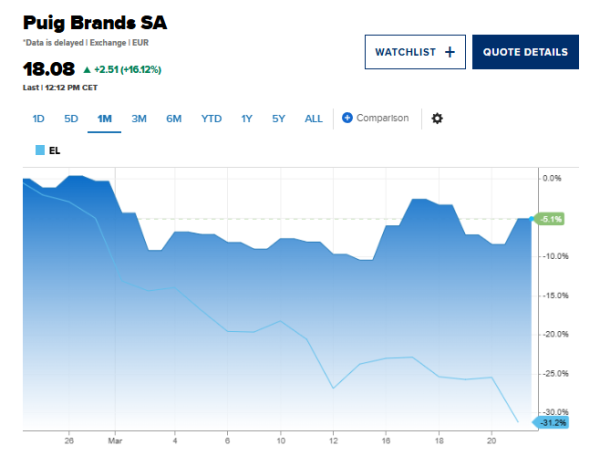
Earlier this year, the company indicated that tariffs could impact full-year profitability by around $100 million, adding to existing headwinds. As a result, its shares have declined by approximately 24% year-to-date, reflecting investor concerns about its near-term outlook.
Puig Maintains Strong Growth Momentum
In contrast, Puig has delivered steady performance since its public listing in 2024. The company has built a diversified portfolio across fragrance, skincare, and cosmetics, contributing to consistent revenue expansion.
Its strong brand lineup and growth trajectory have made it an attractive target, particularly for larger players seeking to strengthen their presence in high-margin beauty segments.
This difference in performance between the two companies has contributed to the contrasting stock reactions following the merger news.
Analysts Highlight Risks And Potential Synergies
Market analysts have noted that large-scale mergers often generate mixed reactions from investors, as seen in previous high-profile deals across the consumer goods sector.
While such transactions can introduce complexity and execution risks, they also offer potential benefits. Estimates suggest that a merger could deliver synergies equivalent to around 5% of target sales, along with double-digit earnings per share growth within the first year.